


Which Home EV Charger Setup Is Right for You?
Most people don’t begin their EV charging journey by comparing brands or technical specifications.
It usually starts in a quieter moment:
You’re standing in your garage, looking at the wall where a home EV charger might go. Or you’re scrolling late at night, slowly realizing that relying on public EV charging stations long-term probably isn’t realistic. Charging overnight at home starts to feel like the obvious next step.
And then one question brings everything to a pause:
Do I need a NEMA 14-50 outlet, or should I hardwire my Level 2 EV charger?
At first, it sounds like a purely technical decision. But the more you read, the more personal it becomes. Some people say a plug-in EV charger is easier. Others argue a hardwired EV charger is safer. A few online discussions make it seem like choosing the wrong home EV charging setup could cause problems years down the road.
That kind of pressure isn’t helpful — and it isn’t necessary.
Both setups are widely used. Both support daily home EV charging. And when installed correctly, both can deliver safe and reliable Level 2 charging at home.

The real goal isn’t to find the “best” option on paper.
It’s to choose a setup you won’t have to think about every night.
What people usually mean when they say “NEMA 14-50”
A NEMA 14-50 is a 240-volt electrical outlet.
That’s it.
You may already have one in your garage for an electric range or an RV. When people refer to a NEMA 14-50 EV charger, they’re usually talking about a plug-in Level 2 home EV charger that connects to this outlet.
This detail matters more than it sounds.
The outlet doesn’t charge your car.
The EV charger does.
The outlet is simply the way power reaches your home EV charging station. Once you separate those two ideas, the conversation around EV charger installation becomes much clearer.

Why plug-in home EV chargers feel reassuring at first
For many first-time EV owners, plug-in charging feels more approachable.
You can see the plug. You can unplug it. It feels flexible and reversible.
If your garage already has a NEMA 14-50 outlet, the decision can feel almost effortless. Why rewire anything if you don’t need to?
Plug-in Level 2 EV chargers often make sense if:
- You’re new to EV ownership
- You rent or may move in a few years
- You want flexibility in your home EV charging setup
- You’re still learning how often you’ll charge overnight at home
And it’s worth saying this clearly:
Many people use a plug-in home EV charger for overnight charging every day without issues.
That’s not theory. That’s daily life.
Still, flexibility usually comes with trade-offs.
They just don’t show up immediately.

What actually changes when an EV charger is hardwired
A hardwired EV charger bypasses the outlet entirely.
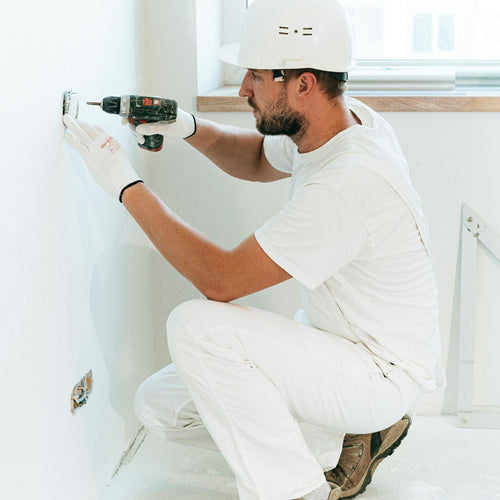
There’s no plug or receptacle. Instead, an electrician connects the home EV charging station directly to the electrical panel.
For some homeowners, this feels cleaner and more permanent. For others, it feels like a bigger commitment — especially early in their EV charging journey.
Hardwired home EV chargers are common when:
- The charger will stay in one place long-term
- Charging takes place outdoors
- The home is fully owned
- The goal is consistent overnight EV charging without ongoing attention
Hardwiring doesn’t significantly increase charging speed or make the charger smarter. What it does is remove one physical connection point from the Level 2 EV charging system.
That difference isn’t obvious on day one — but it can matter over time.

Day one feels the same. Years later is where things diverge.
This part often goes unmentioned.
On the first day, both setups usually feel identical. You connect your Level 2 home EV charger, the car starts charging, and everything works as expected.
The difference shows up gradually.
With a plug-in setup, the outlet becomes part of the home EV charging system. Heat cycles, small movements, and connection quality start to matter. If the outlet wasn’t installed specifically for continuous EV charging, wear can slowly build.
With a hardwired EV charger, there’s one less place where that wear can occur.
That doesn’t make hardwired charging automatically safer.
But it does simplify the system — and simpler systems tend to behave more predictably over years of daily home EV charging.

Is one option actually safer for overnight charging?
This is usually the question beneath all the others.
People aren’t only asking about plugs and wiring. They’re really asking:
Can I trust this home EV charger while I sleep?
Here’s the honest answer:
Neither NEMA 14-50 nor hardwired setups are inherently safer on their own.
Overnight EV charging safety depends more on factors like:
- Whether the Level 2 home EV charger is designed for continuous use
- How heat is managed during long charging sessions
- Whether the electrical system supports sustained load
- How carefully the EV charger installation was done
A well-designed home EV charging station can safely support overnight charging with either setup.
If you’ve looked into overnight EV charging safety before, you’ll notice the same pattern here: Design and installation matter more than the connection style.

Installation quality matters more than most people expect
Many EV charging issues don’t come from the charger itself.
They come from installation shortcuts — loose connections, incorrect breaker sizing, or outlets not rated for continuous home EV charging loads. These problems can affect both plug-in and hardwired EV chargers.
That’s why experienced electricians often give the same advice:
How it’s installed matters more than how it’s connected. It’s not exciting advice. But it’s accurate.

Thinking about cost without oversimplifying it
Cost often comes up early.
If you already have a NEMA 14-50 outlet, a plug-in home EV charger can cost less upfront. Hardwired installations usually cost more because they always involve professional EV charger installation.
But home EV charging isn’t a one-time decision.
It’s something you’ll do hundreds of times each year.
Over time, what matters more than the initial installation cost is whether the setup feels stable and forgettable.
The best home EV charger setup is the one you stop thinking about after the first week.

Common assumptions that make the decision harder than it needs to be
A few ideas appear again and again online:
Hardwired chargers are always safer.
Only when installed correctly.
Plug-in EV chargers are temporary solutions.
Many people have used plug-in Level 2 chargers daily for years.
Higher power always means better charging.
Not if heat and stability aren’t handled well in real-world home EV charging.
Letting go of these assumptions makes room for a calmer decision.
Which setup fits real life better?
Instead of asking which option is better, it often helps to ask which fits how you live.
- If flexibility matters, a NEMA 14-50 setup makes sense
- If this is your long-term home, a hardwired EV charger may feel right
- If charging happens outdoors, hardwired installation often feels cleaner
- If you charge overnight every day, focus on charger design, not the plug
There’s no wrong answer here — only trade-offs.

What matters more than plugs and wires
It’s easy to fixate on the connection.
But the best home EV charging experiences usually come down to a few quieter details:
- Clear EV charger installation guidance
- Stable performance during long charging sessions
- Thoughtful thermal design
- A charger built for daily use, not just specifications
These details decide whether charging fades into the background or becomes something you worry about.
How RippleOn approaches NEMA 14-50 and hardwired setups
At RippleOn, we don’t believe the connection method should define the charging experience.
Homes are different. Electrical systems are different. Charging habits are different.
That’s why our Level 2 home EV chargers support both NEMA 14-50 plug-in and hardwired installations.
The focus isn’t on the plug.
It’s on making sure home EV charging works quietly and reliably, especially overnight.
When charging is done right, you barely notice it.
A simple way to decide and move forward
If you’re still unsure, try asking yourself one question:
Do I want flexibility now, or permanence long-term?
Both answers are valid.
Choose the home EV charger setup that fits how you live today — and how you expect to live with your EV over the next few years.


Leave a comment
This site is protected by hCaptcha and the hCaptcha Privacy Policy and Terms of Service apply.