


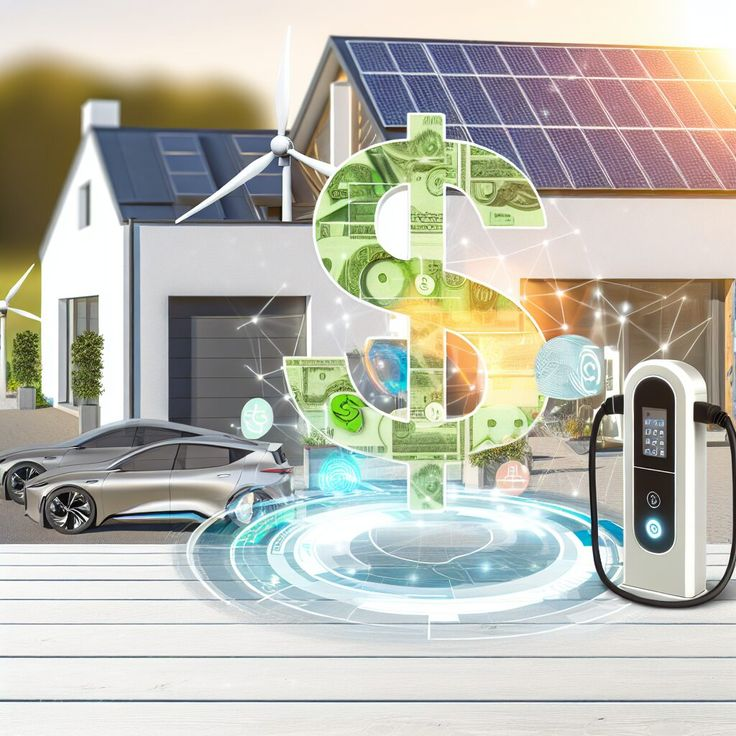
As electric vehicles (EVs) continue to gain popularity, one question keeps coming up for new and experienced drivers alike: Is it cheaper to charge an EV at home or rely on public charging stations? The answer depends on where, how, and how often you charge. Understanding the true cost of charging an EV at home vs charging station options can help you lower expenses and maximize long-term savings.
In this guide, we break down EV home charging vs public charging, explain how to calculate your real per-mile costs, and show how smart home chargers like RippleOn can make a meaningful difference.
Key Takeaways: Costs of Home EV Charging vs Public Charging (TL’DR)
Home charging is typically the most cost-effective option per mile
Public charging offers convenience but usually comes at a premium
Level 2 home charging delivers faster charging and better long-term value
Your electricity rate, driving habits, and charging frequency heavily influence costs
Installing a smart home charger can reduce charging time and improve energy efficiency

How to Calculate EV Home Charging Costs
Understanding kWh Pricing
Electricity costs are measured in kilowatt-hours (kWh). Your utility provider charges a set price per kWh, which varies by region and time of use. According to the U.S. Energy Information Administration (EIA), average residential electricity prices fluctuate monthly and by state, making it essential to check current local rates.
Formula
To understand how to calculate EV charging cost, use this simple formula:
Battery Size (kWh) × Electricity Rate ($/kWh) = Cost per Full Charge
For example, a 75 kWh EV battery charged at $0.16 per kWh would cost about $12 to fully charge at home.
Key Factors That Affect Home EV Charging Costs
Several variables influence home charging expenses:
Local electricity rates
Battery capacity and vehicle efficiency
Charging speed (Level 1 vs Level 2)
Time-of-use pricing
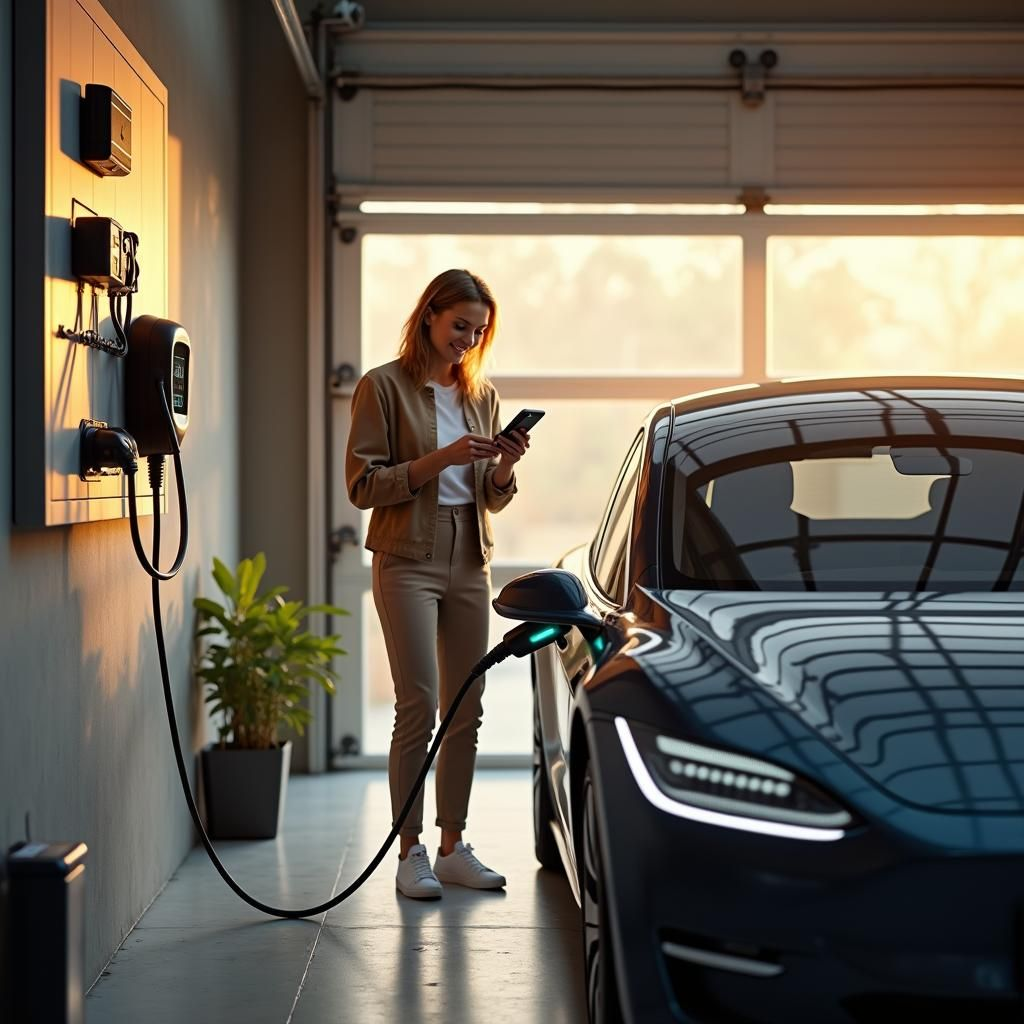
Many homeowners choose Level 2 charging for faster and more efficient energy delivery. A Tesla wall charger installation cost can vary, but smart chargers like RippleOn are designed to streamline installation and optimize energy use for daily charging. RippleOn’s smart home EV chargers provide real-time monitoring and efficient power delivery, helping reduce overall charging costs over time.

Costs of Charging an EV Vehicle at Home
Average Home Electricity Costs for EVs
On average, charging an EV at home costs between $0.12 and $0.20 per kWh. This means most drivers spend significantly less per mile than gasoline vehicle drivers. Over a year, home charging can result in hundreds or even thousands of dollars in savings.
Level 1 vs Level 2 Home Charging Costs Comparison
Level 1 charging uses a standard 120V outlet and is the slowest option. While upfront costs are minimal, charging time is long and less efficient.
Level 2 charging requires a dedicated charger and 240V outlet, but delivers faster charging and better efficiency. Many drivers ask, ”How much does Level 2 charging cost at home?” Typically, the charger and installation range from a few hundred to a couple of thousand dollars, depending on electrical upgrades.
Over time, Level 2 charging is often more economical due to reduced charging hours and better energy management.

3 Common Public EV Charging Pricing Models
Energy-Based Pricing
Drivers pay per kWh consumed. This model is most comparable to home charging but usually costs more per kWh.
Time-Based Pricing
Charging fees are based on the length of time your vehicle remains plugged in. Slower charging vehicles may end up paying more.
Session Fee (Flat Rate)
Some stations charge a flat fee per session regardless of energy used, which can be expensive for smaller top-ups.

What Is The Average Cost of Public EV Charging?
So, how much does a public EV charging station cost to use? Public charging can range from $0.30 to $0.60 per kWh — sometimes more for fast DC charging. While convenient for road trips or emergencies, public charging typically costs significantly more than home charging.

Home Charging vs Public Charging: Which Is Cheaper?
Short-Term Convenience vs Long-Term Savings
Public charging is undeniably convenient, especially for long journeys. However, for daily driving, home charging offers predictable pricing and lower per-mile costs.
Cost Comparison by Driving Scenarios
Daily commuting favors home charging
Long road trips require occasional public charging
Urban drivers without home access may rely more on public stations
Daily Driving and Charging Patterns
Drivers who charge overnight at home benefit from off-peak rates and consistent availability.
Total Cost of Ownership Considerations
Over the lifetime of an EV, charging costs play a major role in total ownership expenses. Home charging significantly lowers long-term costs compared to relying on public infrastructure.

Wrapping Up
When comparing EV home charging vs public charging, home charging consistently comes out ahead for cost savings, convenience, and efficiency. While public chargers serve an important role, especially for travel, investing in a home charging solution offers the best value per mile.
Power Your Electric Vehicle Today with RippleOn
RippleOn’s smart home EV chargers are designed for modern EV owners who want faster charging, energy transparency, and long-term savings. Explore RippleOn’s range of smart home EV chargers and take control of your EV charging experience.

Frequently Asked Questions (FAQs)
1. Is home EV charging always cheaper than public charging?
In most cases, yes. When comparing EV home charging vs public charging, home charging typically offers a lower cost per kWh, making the cost of charging an EV at home vs a charging station significantly cheaper over time. Public charging may be convenient, but it usually comes with higher per-use fees and premium pricing.
2. How much does Level 2 charging cost at home?
The answer depends on charger equipment, electrical upgrades, and local labor costs. While the upfront installation can be higher, Level 2 charging delivers faster, more efficient charging and lower long-term costs compared to frequent public charging. Over time, this setup helps reduce the overall cost of charging an EV at home vs charging station options.
3. Can I rely only on public charging?
It is possible to rely solely on public chargers, especially for apartment dwellers or city drivers, but it is usually more expensive. The costs of public EV chargingstations cann vary widely, and frequent use often results in higher monthly expenses compared to home charging. For most drivers, public charging works best as a supplement rather than a primary solution.

Leave a comment
This site is protected by hCaptcha and the hCaptcha Privacy Policy and Terms of Service apply.