


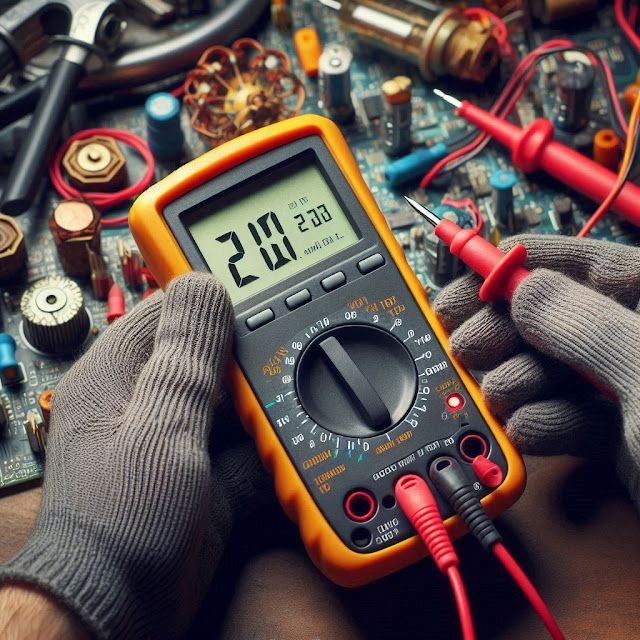
Home charging is one of the biggest advantages of owning an electric vehicle. Instead of relying on public charging stations, many EV owners install a charger at home so their vehicle can recharge overnight and be ready for daily driving.
Before installing one, it helps to know the key EV charger installation requirements that determine whether your home electrical system can safely support the charger. From electrical capacity and wiring to permits and materials, several factors influence how a charger should be installed. This guide walks through the essentials, including the equipment typically required and what homeowners should expect during the process.
Key Takeaways
-
Most home installations follow standard EV charger installation requirements involving a dedicated 240-volt circuit and properly sized wiring.
-
Level 2 chargers provide significantly faster charging than Level 1 systems and are commonly used for home installations.
-
Typical EV charger electrical requirements include a dedicated circuit breaker, appropriate wire gauge, and sufficient panel capacity.
-
Installation materials may include copper wiring, circuit breakers, conduit, weatherproof junction boxes, and mounting hardware.
-
Homeowners installing Tesla chargers should review Tesla charging-at-home requirements along with the specific wall charger requirements for proper circuit sizing.
-
Local permits and inspections are often required, and installations must comply with NEC Article 625 regulations.
-
Installing a charger near the electrical panel helps reduce wiring distance and simplify the installation process.

Why Getting Your EV Charger Installation Right Matters
Installing a home EV charger involves more than mounting a device on the wall. Electric vehicle chargers draw a continuous electrical load for hours at a time, which means the wiring, breaker, and circuit must all be sized correctly.
When installations cut corners, the results can include nuisance breaker trips, overheating wiring, or charging equipment that does not operate at full capacity. Over time, these issues can lead to equipment damage or costly electrical repairs.
Following proper EV charger installation requirements helps homeowners maintain a safe charging setup while protecting both the vehicle and the home’s electrical system.

What Are the Basic Requirements for EV Charger Installation?
Most home charging setups depend on two things: the type of charger you plan to use and whether your home’s electrical system has the capacity to support it.
Level 1 vs. Level 2 Charging Requirements
Level 1 charging uses a standard 120-volt outlet and the portable charging cable that often comes with an electric vehicle. This setup usually requires no installation work, but charging speeds are relatively slow, typically adding about 3 to 5 miles of range per hour.
Level 2 charging operates on a 240-volt circuit and provides significantly faster charging speeds. Many Level 2 systems can deliver 20 to 40 miles of range per hour, depending on the charger’s amperage rating. Because they draw more power, they follow stricter EV charger electrical requirements, including dedicated circuits and appropriately sized wiring.
For homeowners who drive daily or want faster overnight charging, Level 2 chargers are generally the preferred option.
Understanding Your Home's Electrical Capacity
Before installing a charger, electricians evaluate the electrical panel to determine whether there is sufficient capacity for a new circuit. Many homes have 100-amp or 200-amp service panels, but the remaining capacity depends on the total load from other appliances.
An electrician may perform a load calculation to verify if the panel can support the additional demand. Panel space also matters, since a Level 2 charger requires a double-pole breaker, which is a common requirement for EV charger installation when adding a dedicated charging circuit to a home.

What Electrical Requirements Do You Need for a Level 2 EV Charger?
Level 2 chargers rely on a few core electrical specifications. These requirements determine how the charger connects to your home’s electrical system and how much power it can deliver.
Voltage and Amperage Specifications
Most residential Level 2 charging systems are connected to a 240-volt household circuit, similar to the power supply used by large appliances such as dryers and electric ranges. The charger’s amperage rating can vary, with common configurations ranging from 30 amps to 60 amps.
A typical installation might involve a 40-amp charger connected to a 50-amp circuit. Electrical codes require continuous loads to stay within 80% of the circuit’s capacity, which is why chargers are paired with slightly higher breaker ratings.
Dedicated Circuit Requirements
Level 2 chargers must be installed on a dedicated circuit, meaning no other outlets or appliances share the same breaker. This setup allows the breaker to protect the charger without interference from other electrical loads.
Dedicated circuits are among the most consistent electrical requirements for EV chargers in residential installations. They help prevent overloads and provide a stable power supply during extended charging sessions.
Panel Capacity and Available Breaker Space
Before installation, electricians confirm that the electrical panel has adequate capacity and space for a new double-pole breaker. A typical panel review looks for:
-
Sufficient remaining amperage capacity
-
Open breaker slots for the new circuit
-
Breaker compatibility with the panel model

Complete Materials List for EV Charger Installation
Wiring and Cable Requirements
The wiring used for EV chargers must match the circuit’s amperage rating and follow electrical code guidelines. Common materials include:
-
Copper electrical wiring rated for the circuit load
-
THHN or THWN insulated conductors for conduit installations
-
Ground wire for electrical safety
Wire gauge selection is based on the circuit size. For example:
-
40-amp circuit: typically 8-gauge copper
-
50-amp circuit: typically 6-gauge copper
Circuit Breakers and Disconnect Switches
Breaker protection is required to protect the circuit and charger from overload conditions. Installations commonly include:
-
Double-pole circuit breaker
-
Ground fault protection when required
-
External disconnect switch if specified by local code
Conduit and Weatherproofing Materials
If wiring runs through exposed areas or outdoors, conduit protects the cables from moisture and physical damage. Common materials include:
-
PVC electrical conduit
-
Electrical metallic tubing (EMT)
-
Weatherproof junction boxes
-
Outdoor-rated fittings and seals
Mounting Hardware and Accessories
The charger itself must be securely mounted and positioned for convenient access. Typical accessories include:
-
Wall anchors or mounting brackets
-
Cable management hooks
-
Protective covers for outdoor installations

What Type of Wiring Does an EV Charger Need?
Wire Gauge Requirements by Amperage
Wire size must match the circuit rating to safely handle the electrical load. Common residential guidelines include:
-
30-amp circuit: 10-gauge copper wire
-
40-amp circuit: 8-gauge copper wire
-
50-amp circuit: 6-gauge copper wire
-
60-amp circuit: 4-gauge copper wire
Copper vs. Aluminum Wiring
Copper wiring is widely used in residential EV charger installations because of its conductivity and durability. It performs well under continuous loads and typically requires smaller wire sizes compared with aluminum.
Aluminum wiring is sometimes used for longer cable runs because it costs less and weighs less than copper. However, it requires larger wire gauges and specialized connectors to handle expansion and contraction during temperature changes.
Indoor vs. Outdoor Installation Wiring Differences
Indoor installations, such as in garages, usually allow simpler wiring routes and fewer weatherproofing requirements. Outdoor installations often require UV-resistant insulation, sealed junction boxes, and conduit systems that protect the wiring from rain, moisture, and temperature changes.

Tesla Wall Charger Requirements: What Makes Them Different?
Tesla-Specific Electrical Requirements
Typical Tesla wall charger requirements include a 240-volt dedicated circuit with amperage settings that can be configured during installation. Tesla Wall Connectors can support charging rates up to 48 amps, depending on the circuit configuration.
These specifications are part of the common Tesla charging-at-home requirements, especially for homeowners who want the fastest possible charging speeds with Tesla equipment.
Universal Compatibility Considerations
Most Level 2 chargers use the J1772 connector standard, which works with nearly all electric vehicles. Tesla vehicles can use these chargers through an adapter, giving homeowners flexibility if they own multiple EV brands.
Permits, Inspections, and Code Compliance
Required Permits by State and Municipality
Many cities require homeowners to obtain an electrical permit before installing a Level 2 charger. Permits allow local authorities to review the installation plan and verify that the work complies with local electrical codes.
NEC Code Requirements for EV Chargers
In the United States, EV charger installations follow National Electrical Code (NEC) Article 625, which outlines safety rules for electric vehicle supply equipment. These rules typically include:
-
Dedicated circuits for EV charging equipment
-
Ground fault protection for safety
-
Proper cable management
-
Correct breaker sizing
Inspection Process and Timeline
After installation is complete, a local inspector may review the work to confirm compliance with the approved permit. The inspection usually checks wiring, breaker installation, mounting, and overall electrical safety before approving the charger for use.
Where Should You Install Your EV Charger?
Optimal Placement for Garage Installations
Garages are the most common location for home EV chargers. Installing the charger near where the vehicle parks keeps the charging cable accessible and prevents unnecessary strain on the cable. Positioning the charger close to the electrical panel can also reduce installation complexity because shorter wiring runs require fewer materials.
Outdoor Installation Requirements
Some homeowners install chargers outside when garage space is limited. Outdoor installations require chargers rated for exterior use and weather-resistant electrical components. These installations often include sealed conduit connections and protective enclosures that keep moisture away from electrical connections.
Distance from Electrical Panel Considerations
The distance between the charger and the electrical panel can affect installation costs. Longer wiring runs require more conduit, additional wiring, and sometimes larger wire sizes, depending on the distance.
Planning the charger’s location in advance can help installers meet the necessary EV charger installation requirements while minimizing installation complexity.
Get Your Level 2 EV Charger with 24/7 Installation Support
For homeowners planning to install a Level 2 charging system, selecting a reliable charger that meets common EV charger installation requirements can simplify the entire process.
The RippleOn Level 2 EV Charger is designed for residential charging setups and supports standard EV charger electrical requirements used in most homes. Its flexible installation options allow it to work in garages or outdoor charging locations.
If you’re planning to install a home EV charger and want guidance on the right setup for your property,get in touch with our team today. At RippleOn, we can help you choose the right charger and installation approach for your home.


Leave a comment
This site is protected by hCaptcha and the hCaptcha Privacy Policy and Terms of Service apply.