


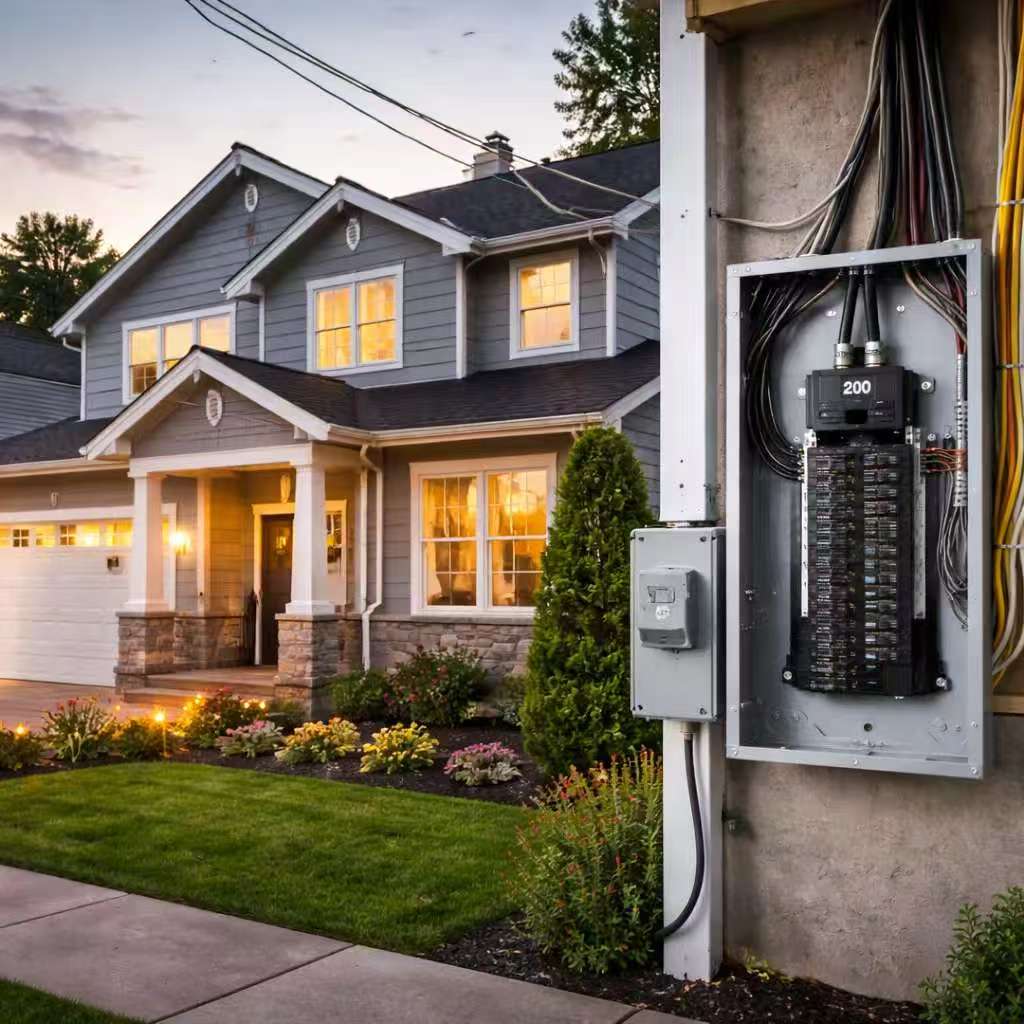
Installing a Level 2 EV charger is one of the most popular upgrades for EV owners. However, many homeowners quickly encounter the same concern during the EV charger installation process: Does my electrical panel have enough capacity?
In some cases, electricians may recommend an electrical panel upgrade before installing a charger. But a panel upgrade is not always necessary. Modern load management systems can often help homeowners install a Level 2 EV charger while working within the limits of their existing electrical service.
Why EV Charger Installation Often Raises Panel Capacity Concerns
Level 2 EV Chargers Require Significant Continuous Power
Unlike many household appliances that run intermittently, a Level 2 EV charger can draw 24 to 48 amps continuously for several hours. This sustained electrical demand is one reason why electricians carefully evaluate panel capacity before installation.
Because EV charging is considered a continuous load under the National Electrical Code (NEC), electricians must account for 125% of the charger's rated current when evaluating electrical capacity. This requirement is one reason why EV charger installation often triggers a detailed review of the home's electrical system.
Many Older Homes Have Limited Electrical Capacity
Many U.S. homes built before the widespread adoption of electric vehicles still operate with 100-amp electrical service. While this capacity may be sufficient for traditional household needs, it can become constrained when multiple high-demand appliances operate simultaneously.
For example:
- Central air conditioning systems often draw 20–50 amps
- Electric water heaters commonly require 18–25 amps
- Electric ranges may use 30–50 amps
- Electric dryers typically require 24–30 amps
When these loads overlap with EV charging, available panel capacity can quickly become limited.
Why Electricians Sometimes Recommend a Panel Upgrade
If a home's electrical load is already near its safe operating limit, adding a Level 2 charging station may exceed available capacity. In these situations, electricians often recommend an electrical panel upgrade to safely support additional demand.
However, that recommendation does not automatically mean a panel upgrade is the only solution.
Can Load Management Help Avoid a Panel Upgrade?
Not Every Home Needs More Electrical Capacity
Many homeowners assume installing an EV charger requires increasing electrical service capacity. In reality, the challenge is often managing existing electrical demand rather than adding more capacity.
A home's electrical panel is rarely operating at maximum load 24 hours a day. Most appliances cycle on and off throughout the day, creating periods when unused capacity is available.
Load Management Creates More Flexibility for EV Charging
Instead of permanently increasing panel capacity, load management allows an EV charger to dynamically adjust charging power based on available electrical capacity in real time.
For many homes, this flexibility can eliminate the need for a costly electrical panel upgrade while still supporting reliable Level 2 charging.
In some cases, homeowners can save thousands of dollars by avoiding service upgrades, utility coordination, and extensive electrical work.
How EV Charging Load Management Works
Load Management Monitors Household Power Usage
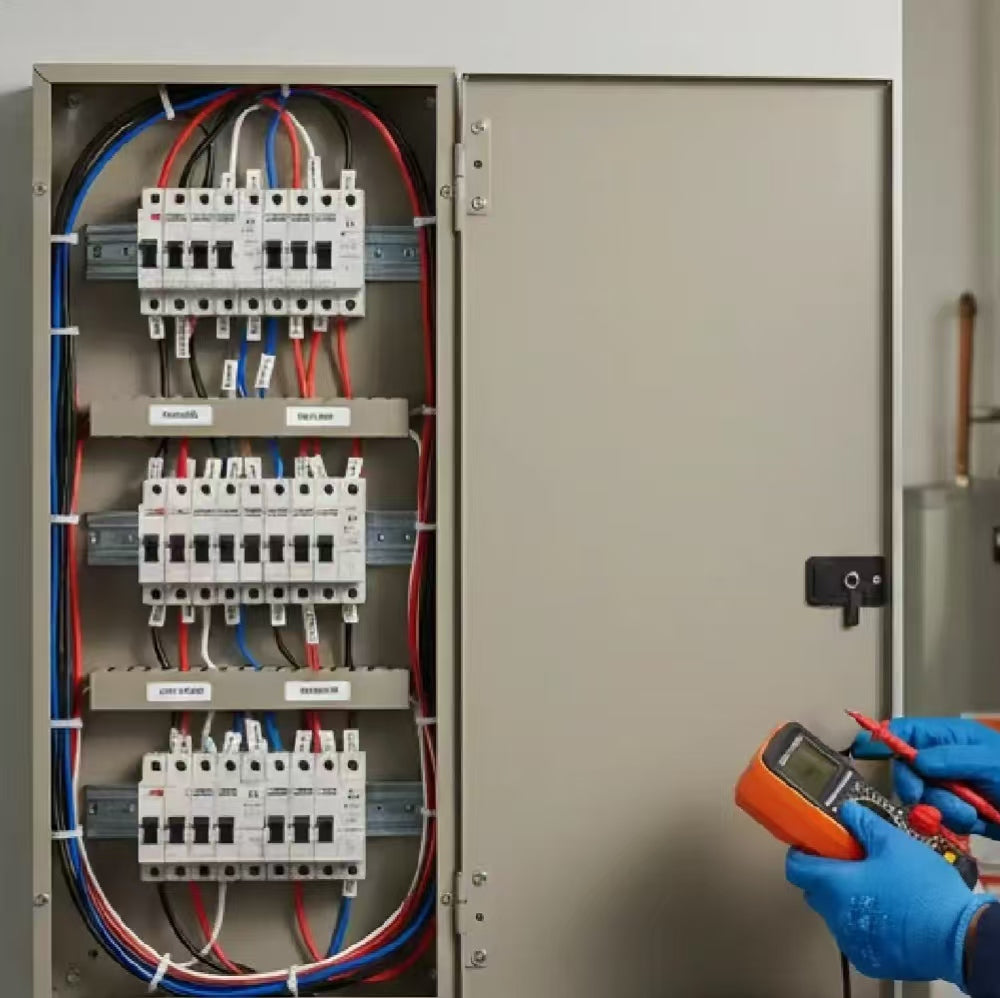
A load management system continuously monitors how much electricity the home is currently using. Using sensors installed at the electrical panel, the system tracks total household demand and determines how much capacity remains available for EV charging at any given moment.
Charging Power Automatically Adjusts to Available Capacity
If a charger is capable of delivering 48 amps and sufficient capacity is available, it can charge at full power. However, if major appliances turn on and household demand increases, charging output may automatically reduce to 32 amps, 24 amps, or another safe level.
This process happens seamlessly in the background without requiring any manual adjustments from the homeowner.
Dynamic Load Management Helps Prevent Overloads
Dynamic load management helps keep total electrical demand within safe operating limits.
By preventing excessive power draw, it reduces the risk of:
- Overloaded circuits
- Tripped breakers
- Electrical system stress
- Charging interruptions
This approach allows homeowners to maximize the use of existing electrical infrastructure while maintaining safety and reliability.

When Load Management Makes Sense for EV Charging
Homes With Limited Spare Capacity
Load management is particularly useful for homes where the electrical panel is approaching capacity but still has enough flexibility to accommodate controlled EV charging.
For example, a home with 100-amp service may not have sufficient capacity for a dedicated 48-amp charger operating continuously at full power. However, with load management, charging can be adjusted dynamically to remain within safe limits.
Homes Installing Their First Level 2 EV Charger
For many first-time EV owners, load management provides a practical way to install a Level 2 EV charger without immediately investing in a major electrical upgrade.
Since most drivers charge overnight and only need to replenish their daily driving energy, slightly reduced charging speeds during occasional peak demand periods often have little impact on overall convenience.
Households Planning Future Electrification
Many homeowners are adding:
- Heat pumps
- Electric water heaters
- Solar energy systems
- Battery storage
- Additional EVs
Load management can help coordinate these growing electrical loads more effectively and delay the need for larger infrastructure upgrades.
When Panel Replacement or Upgrades May Still Be Necessary
Electrical Service Capacity Is Too Limited
In some homes, available capacity is simply too limited to support additional electrical demand.
If a load calculation shows that the home's electrical service is already fully utilized, load management alone may not provide enough flexibility. In these situations, an electrical panel upgrade may still be required.
Aging Panels Need Replacement for Safety Reasons
If an electrical panel is outdated, damaged, or no longer meets modern safety standards, replacement may be recommended regardless of EV charging plans.
Older panels may have limited breaker space, deteriorated components, or known safety concerns that make electrical panel replacement the better long-term solution.
Future Household Electrical Demand Continues to Grow
Households planning multiple EVs or significant electrification projects may benefit from additional service capacity.
For example, a family planning to install two Level 2 EV chargers, a heat pump, and an electric water heater may eventually require a higher amp service upgrade to comfortably support future demand.

Load Management vs Panel Upgrade: Which Makes More Sense?
Comparing Upfront Installation Costs
Electrical panel upgrades can often cost between $2,000 and $5,000 or more, depending on local labor rates, permitting requirements, utility coordination, and service upgrades. In some regions, costs can exceed $8,000 when extensive electrical work is required.
Load management solutions are frequently much more affordable and can help avoid many of these additional installation expenses.
Comparing Long-Term Flexibility
A panel upgrade increases overall electrical capacity and may provide greater flexibility for future electrification projects. Load management focuses on using existing capacity more efficiently.
For homeowners whose electrical needs are unlikely to increase dramatically in the near future, load management can be an effective and economical solution.
Comparing Charging Performance
Load management may temporarily reduce charging power during periods of high household demand. However, most EV owners charge overnight for 6 to 10 hours. Even at reduced charging rates, a Level 2 charger can typically add hundreds of miles of driving range during an overnight charging session.
As a result, many homeowners experience little to no noticeable impact on daily charging convenience.
How to Choose the Right Electrical Solution for Your Home
Start With a Professional Load Calculation
A professional EV charger load calculation is the best way to understand your home's available capacity. This assessment evaluates existing electrical loads, service size, appliance demand, and charging requirements to determine whether your current panel can safely support a charger.
Evaluate Your Current and Future Power Needs
Consider not only your current EV charging requirements but also future plans such as:
- Additional electric vehicles
- Solar energy systems
- Home battery storage
- Heat pumps
- Electric appliances
Planning ahead can help you choose the most cost-effective long-term solution.
Smart EV Chargers Can Expand Your Installation Options
Many modern smart EV chargers include built-in load management capabilities that allow homeowners to maximize existing electrical infrastructure while maintaining safe and reliable charging.
Some systems also support load sharing EV chargers, enabling multiple chargers to distribute available power intelligently across multiple vehicles.
Power Your EV Smarter With RippleOn
Built-In Load Management for Smarter Charging
RippleOn smart Level 2 EV chargers are designed to help homeowners charge confidently while working within the limits of their existing electrical systems.
With intelligent load management capabilities, RippleOn helps optimize charging performance while reducing the likelihood of unnecessary electrical upgrades.
App Control and Real-Time Energy Monitoring
The RippleOn app provides visibility into charging activity, energy usage, and charging schedules. EV owners can monitor charging sessions, track electricity consumption, and manage charging preferences from anywhere, helping them make smarter energy decisions every day.
Designed for Reliable Long-Term Home Charging
With intelligent charging controls, automated scheduling, real-time monitoring, and built-in load management support, RippleOn helps simplify EV ownership while preparing your home for the future of electric mobility.
Whether you're evaluating your first EV charger installation or exploring alternatives to an electrical panel upgrade, RippleOn delivers the flexibility and reliability modern homeowners need.


Leave a comment
This site is protected by hCaptcha and the hCaptcha Privacy Policy and Terms of Service apply.