


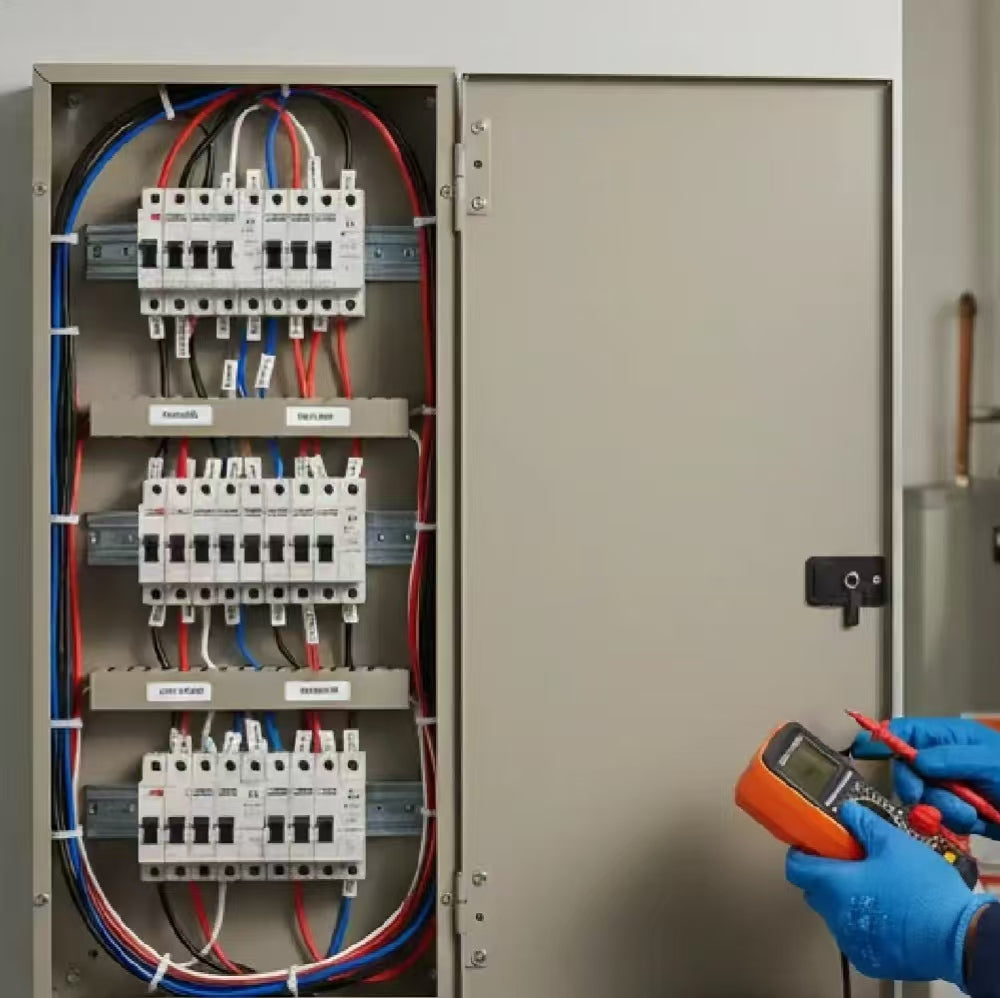
As more homeowners in the U.S. install a Level 2 EV charger or search for “EV charger installation near me”, one unexpected question often comes up before installation begins: Do I need an electrical panel upgrade or a full panel replacement?
In many cases, this becomes the real deciding factor for whether a home is ready for EV charging, smart EV charger installation, or even broader electrification upgrades like heat pumps and solar systems.
Understanding the difference between electrical panel replacement and electrical panel upgrade is essential not only for safety, but also for cost planning, EV charging performance, and long-term home electrical capacity.
Why EV Charger Installation Often Leads to Panel Questions
EV Charging Creates New Power Demands
Installing a Level 2 EV charger typically adds a continuous electrical load of 30–50 amps. Compared to standard household appliances, EV charging is one of the most demanding residential loads because it runs for several hours continuously, often overnight.
This is why homeowners searching for “EV charger installation” or “home EV charger installation” are often advised to evaluate their electrical panel first.
Electrical Capacity Becomes a Key Consideration
Most older U.S. homes were built with 100-amp panels, while modern electrified homes increasingly require 200 amps or more. Once you add EV charging, HVAC systems, and kitchen appliances, available capacity can quickly become limited.
Electricians often evaluate whether your system can support:
-
Level 2 EV charger (32A–48A)
-
Heat pumps
-
Electric water heaters
-
Future solar integration
This is where the question of panel upgrade vs replacement becomes unavoidable.
Understanding Panel Replacement and Panel Upgrade
Panel Replacement Focuses on Safety and Reliability
Electrical panel replacement refers to removing an old breaker panel and installing a new one with similar capacity or updated safety standards.
Typical reasons include:
-
Aging or outdated equipment
-
Faulty breakers or overheating risks
-
Non-compliant or recalled panel brands
-
Electrical instability
In many older homes, especially those built before the 1980s, replacement is often driven by safety concerns rather than capacity needs.
Panel Upgrade Focuses on Capacity and Expansion
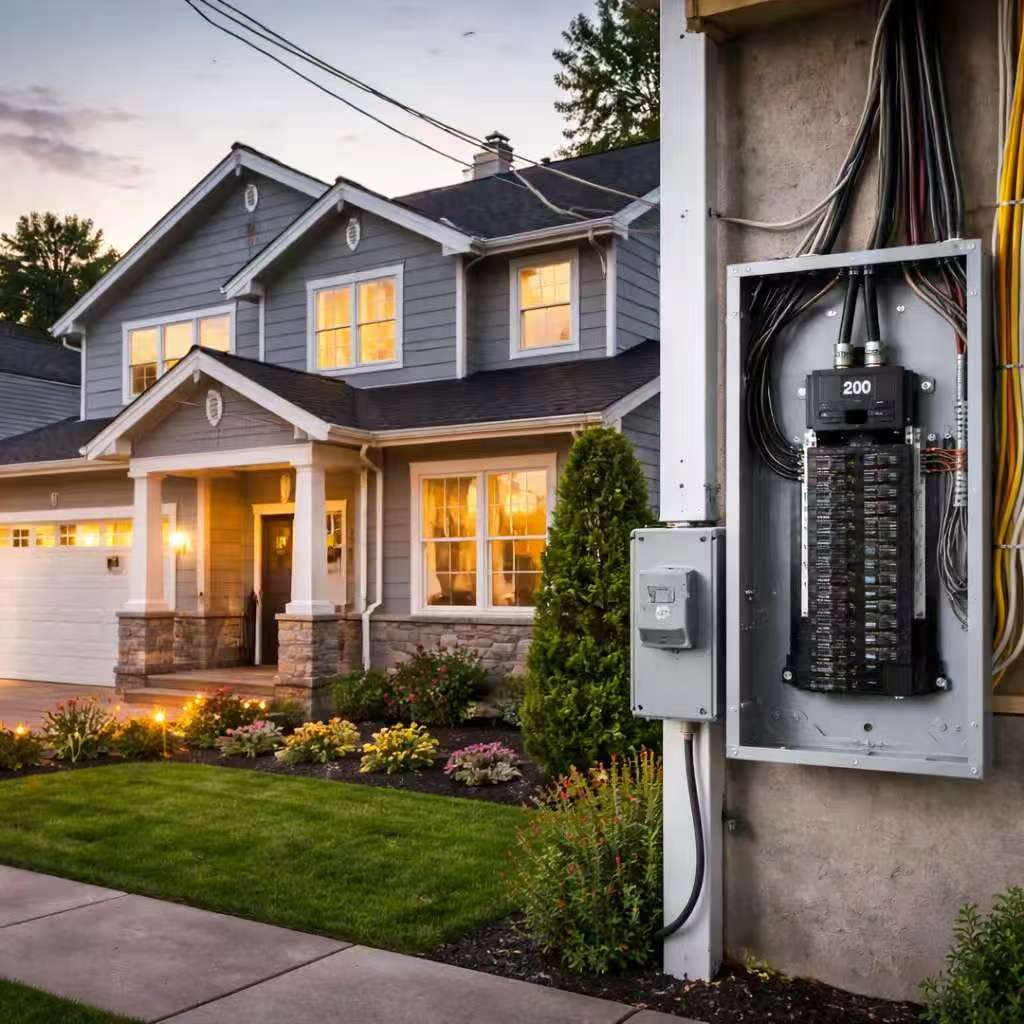
An electrical panel upgrade increases your home’s total electrical capacity, most commonly from 100 amps to 200 amps.
This is especially relevant for EV owners because a Level 2 EV charger alone can consume up to 10–12 kWh per hour, depending on amperage. A typical upgrade allows homeowners to support multiple high-load devices simultaneously without tripping breakers.
Why Some Homes Need Both at the Same Time
In real-world installations, electricians often find that older panels are both unsafe and undersized. In these cases, replacement and upgrade happen together, especially when preparing for EV charging systems.

Signs Your Home May Need a Panel Replacement
Aging Equipment and Safety Risks
Most electrical panels have a lifespan of around 25–40 years. However, risk factors increase significantly after 25 years, especially in homes with heavy appliance usage.
Warning signs include:
-
Frequent breaker trips without clear reason
-
Burning smell near the panel
-
Buzzing or crackling sounds
-
Warm panel surface
These are strong indicators that replacement is needed before installing any EV charger.
Persistent Electrical Performance Issues
If lights flicker when appliances turn on or multiple circuits fail under normal usage, the issue is often panel instability rather than appliance load. This becomes especially important since EV charging adds sustained load for hours.
Physical Damage and Code Compliance Concerns
Physical corrosion, water damage, or outdated fuse-style systems often fail modern electrical code requirements. In many states, electrical panel installation must also comply with updated NEC (National Electrical Code) standards, which older systems may fail to meet.
Signs Your Home May Need a Panel Upgrade
Limited Capacity for Current Power Needs
If your home still operates on a 100-amp panel, adding a Level 2 EV charger can push the system close to its limits.
Typical modern household demand already includes:
-
HVAC systems (20–40A)
-
Kitchen appliances (30–50A peaks)
-
Laundry systems (20A)
Adding EV charging often requires 200-amp service upgrade for safe long-term use.
Insufficient Room for Additional Circuits
Sometimes capacity is not the issue. The panel may simply have no available breaker space left.
Since EV charger installation typically requires a dedicated circuit, homeowners may need a panel upgrade to accommodate additional breakers.
Growing Demand From Future Electrification
Even if your current EV charging needs are small, future demand often increases. Many homeowners are now planning for Heat pump HVAC systems or Solar + battery systems. A 200-amp electrical panel upgrade is often recommended to future-proof the home.

Understanding the Cost Difference Before Installing an EV Charger
Panel Replacement Costs
In 2026, electrical panel replacement typically ranges from $1,200 to $4,500, depending on labor complexity and materials.
Basic replacement cost may include:
- New electrical panel equipment
- Circuit breakers and related hardware
- Licensed electrician labor
- Permit and inspection fees
If the home's electrical capacity remains the same, replacing an aging panel is often less expensive than performing a full service upgrade.
Panel Upgrade Costs
A full electrical panel upgrade, especially from 100A to 200A, typically costs $2,500 to $5,000 for most homes
Also, solar installations sometimes require electrical panel upgrades to accommodate new circuits and grid connections. Panel upgrades for solar systems often fall between $1,500 and $3,500, depending on the existing setup.
Hidden Costs That Can Affect Your Budget
Some homes require additional work:
- Grounding system upgrades
- Code compliance corrections
- Partial rewiring
- Permit revisions
- Utility coordination fees
These often appear during EV charger installation inspections.

Alternatives to a Full Panel Upgrade for EV Charging
Load Management Helps Maximize Existing Capacity
Load management technology continuously monitors household electrical usage and automatically adjusts charging power when needed.
This allows homeowners to install a Level 2 EV charger without immediately increasing service capacity. For homes with 100-amp service, load management can often eliminate the need for a major upgrade.
Lower Charging Power Reduces Electrical Demand
Many EV owners do not actually need maximum charging speeds.
Reducing charging power from 48 amps to 24 or 32 amps can significantly lower electrical demand while still providing enough overnight charging for daily driving. For most commuters, slower overnight charging is often more than sufficient.
Energy Management System Creates More Installation Options
Modern smart EV chargers offer advanced energy management capabilities, which can automatically adjust charging power based on real-time household electricity usage. In some homes, this may help delay or even eliminate the need for an immediate panel upgrade.
Choosing the Right Electrical Solution for Long-Term EV Charging
Understand What Your Home Actually Needs
Before deciding on a panel replacement or upgrade, it's important to understand what your home can already support. The decision largely depends on:
-
Existing panel age
-
Total household load
-
EV charging frequency
-
Future electrification plans
Consult an Electrician Before Making a Decision
A licensed electrician can perform a load calculation to evaluate your available electrical capacity and determine whether your existing panel can safely support a Level 2 EV charger.
This assessment often helps homeowners avoid unnecessary upgrades, identify potential capacity limitations, and choose the most cost-effective solution for long-term EV charging.
Pair the Right Electrical Setup With RippleOn EV Charger
The best EV charging setup is not always the one with the highest amperage.
A properly sized electrical system combined with a smart EV charger often delivers the best balance of safety, reliability, and long-term value.
With features like smart scheduling, energy monitoring, and load-aware charging, RippleOn helps homeowners maximize their current electrical capacity while preparing for future EV charging needs.
Frequently Asked Questions
How long does an electrical panel upgrade take?
Most electrical panel upgrades take between 4 and 8 hours. More complex projects involving utility service upgrades or code corrections may take one to two days.
Can I install an EV charger with a 100-amp panel?
Yes, in some cases. However, if your household load is already high, electricians often recommend upgrading to 200 amps for safety and reliability.
How much value does a new electrical panel add to a home?
While it does not directly increase resale price significantly, it improves safety, supports EV charging, and increases buyer confidence in modern homes.
What is the difference between a 100 amp and a 200 amp panel?
The amps refer to how much electricity the panel can manage without overloading. A 200 amp panel can comfortably run many more appliances and power strips than a 100 amp panel.

Leave a comment
This site is protected by hCaptcha and the hCaptcha Privacy Policy and Terms of Service apply.