


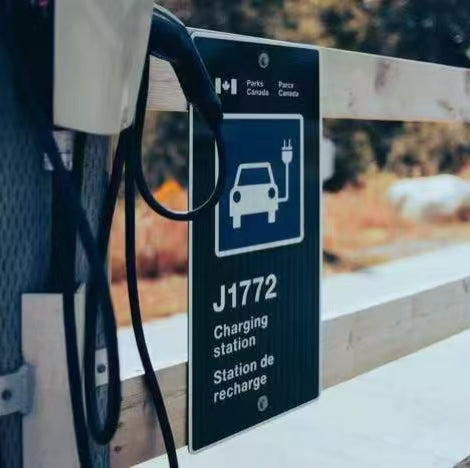
As EV adoption continues to grow across North America, many drivers are encountering a new challenge: understanding charging connectors. Terms like NACS, J1772, and CCS appear frequently when researching an EV charger, visiting public EV charging stations, or planning a home charging setup.
In this blog, we'll break down the key differences between NACS, J1772, and CCS, explain where each connector is used, and help you understand what matters most when choosing a charging solution for daily EV ownership.
Why EV Charging Connectors Can Be Confusing for EV Owners
Unlike gasoline vehicles, EVs currently operate within a charging ecosystem that includes multiple connector standards. Depending on your vehicle, charging location, and charging speed requirements, you may encounter different plugs and charging stations.
Part of the confusion comes from the fact that these connectors are designed for different purposes:
-
Some are primarily used for Level 1 and Level 2 AC charging
-
Others support high-power DC fast charging
-
Some support both charging methods through a single connector
As more automakers transition toward NACS, many drivers are left wondering whether J1772 and CCS are becoming obsolete—or whether they still matter.

Understanding What NACS, J1772, and CCS Do
J1772 Remains the Standard for Level 2 AC Charging
For years, SAE J1772 has been the standard connector for Level 1 and Level 2 charging across North America.
Most non-Tesla EVs use J1772 for home charging, workplace charging, and public AC charging stations. If you've installed a Level 2 home EV charger or searched for an electric vehicle charging station near you, there's a good chance you've used a J1772 connector.
J1772 supports AC charging only, making it ideal for:
-
Home EV charging
-
Workplace charging
-
Overnight charging
-
Daily commuting
Even in 2026, millions of EVs on the road continue to rely on J1772 for everyday charging.
CCS Combines AC and DC Charging in One Port
CCS (Combined Charging System) builds on the J1772 design by adding two larger DC power pins beneath the standard connector. Ii has became the dominant fast-charging standard for many non-Tesla EVs throughout North America.
This allows a single vehicle port to support both:
-
Level 2 AC charging
-
DC fast charging
Because CCS supports charging speeds ranging from approximately 50 kW to over 350 kW, it has been widely used at public fast charging stations and major charging networks.
NACS Uses a Single Connector for Both AC and DC Charging
NACS (North American Charging Standard), now standardized as SAE J3400, originated from Tesla's charging ecosystem.
Unlike CCS, NACS uses a smaller and lighter connector that supports both AC and DC charging through the same compact design.
Its growing popularity is largely driven by:
-
Tesla's extensive Supercharger network
-
Simplified connector design
-
Industry-wide adoption by major automakers
Many manufacturers have announced plans to transition new vehicles to NACS beginning in 2025 and 2026, making it one of the fastest-growing charging standards in North America.
Key Differences Between NACS, J1772, and CCS1
Charging Speed and Power Capability
The biggest difference between these connectors involves charging speed.
|
Connector |
Charging Type |
Typical Power |
|
J1772 |
AC Charging Only |
Up to 19.2 kW |
|
CCS1 |
DC Fast Charging |
50–350+ kW |
|
NACS |
AC + DC Fast Charging |
AC: Up to 19.2 kW DC: 50–350+ kW |
For home charging, however, connector type has less impact than many drivers expect. Most Level 2 home EV chargers operate between 32A and 48A regardless of whether the vehicle uses J1772 or NACS.
Connector Design and User Experience
J1772: It is relatively simple and reliable but supports AC charging only.
CCS1: It adds two large DC pins beneath the J1772 connector, creating a larger and heavier charging handle.
NACS: It combines both functions into a smaller connector, which many drivers find easier to handle during everyday charging.
Long-Term Flexibility and Future Transition
While NACS is gaining momentum, the transition is expected to take place over several years rather than happen overnight.
Millions of existing EVs still rely on J1772 and CCS. As a result, charging networks continue to support multiple connector types, and many new charging stations now include both CCS and NACS connectors.
For most EV owners, the most practical approach is not choosing a "winning" connector standard, but choosing charging solutions that offer long-term flexibility.
Which Vehicles Use NACS, J1772, and CCS1 Today?
|
J1772 (AC) and CCS1 (DC fast charging) |
NACS (SAE J3400) |
|
|
Many popular EVs currently on the road continue to use J1772 for Level 2 charging and CCS1 for DC fast charging in North America. J1772 vehicles rely on CCS1 for DC fast charging, which is supported at major public networks including Electrify America, EVgo, and ChargePoint.
The Current Market Adoption Trends
The North American charging market is currently in a transition period.
Rather than replacing CCS overnight, NACS is being added alongside existing charging options. Because Tesla's charging network has become one of the largest charging ecosystems in North America, many public charging stations now provide both connector types, while adapters continue to improve interoperability between networks.
Adapters: Bridging the Connector Gap Safely and Simply
How Adapters Work Across Different Charging Standards
As the EV charging ecosystem continues to evolve, adapters have become a practical part of everyday EV ownership. They allow drivers to move between different charging standards without being locked into a single connector type.
Common examples include:
-
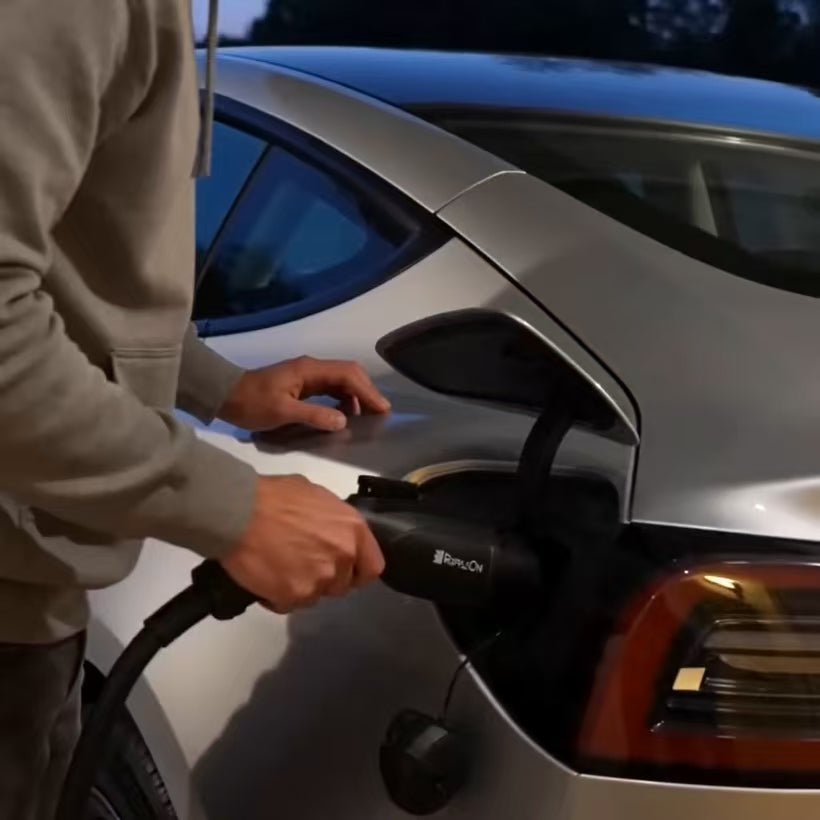
NACS to J1772 adapters: for Tesla drivers using public Level 2 EV charging stations
-
J1772 to NACS adapters: for non-Tesla vehicles accessing Tesla destination chargers or compatible home setups
-
CCS-related adapters: for accessing DC fast charging networks during road trips
These solutions allow drivers to access a wider range of charging stations without replacing their vehicle or charger.
Choosing Safe and Properly Rated Adapters
Not all adapters are created equally. When purchasing an adapter, drivers should prioritize:
-
Use OEM or manufacturer-certified adapters
-
Manufacturer-approved compatibility
-
Proper amperage and voltage ratings that match the vehicle
-
Inspect adapters regularly for wear
For high-power charging applications, using quality adapters is critical for both safety and charging performance.
Final Thoughts: Focus on Flexibility, Not Just the Connector
Connector Choice Matters Less Than Many Drivers Think
While NACS, J1772, and CCS all serve different roles, for most EV owners, these differences matter less in daily life than they appear on paper.
The majority of charging still happens at home using Level 2 EV chargers, where reliability, installation quality, and charging convenience have a much greater impact than connector type alone.
Flexibility Is More Valuable Than Predicting the Winning Standard
The charging industry will continue evolving over the next several years. Instead of trying to predict which connector will ultimately dominate, it's better to build a flexible charging setup that can adapt through future vehicle upgrades.
A future-proof approach usually means:
-
Installing a properly sized electrical circuit for Level 2 EV charging
-
Choosing a reliable home EV charger designed for long-term daily use
-
Using certified adapters when needed for public EV charging stations or future vehicles
Built for Long-Term Compatibility With RippleOn
RippleOn smart home EV chargers are designed to support today's charging needs while remaining flexible for tomorrow's EV ecosystem.
With reliable Level 2 charging and support for both J1772 and NACS-compatible charging solutions, RippleOn helps simplify home EV charging regardless of which connector standard your next vehicle uses.
Instead of worrying about changing connector standards, drivers can focus on what truly matters—consistent, efficient, and smart charging every day.
Frequently Asked Questions
Is NACS replacing J1772 and CCS?
NACS is rapidly gaining adoption among automakers, but J1772 and CCS will remain important for many years because millions of existing EVs still use these connectors.
Does NACS charge faster than J1772 at home?
Not necessarily. Home charging speed is primarily determined by the charger, electrical circuit, and vehicle onboard charger rather than the connector itself.
What's the most universal charging setup at home in 2026?
A properly installed Level 2 home EV charger with support for adapters offers the greatest flexibility. The electrical infrastructure is usually more important than the connector type.
Should I worry about connector compatibility for road-trip charging?
For most drivers, no. Public charging networks increasingly support multiple connector types, and adapters make it easier than ever to access different charging stations and charging networks while traveling.


Leave a comment
This site is protected by hCaptcha and the hCaptcha Privacy Policy and Terms of Service apply.