


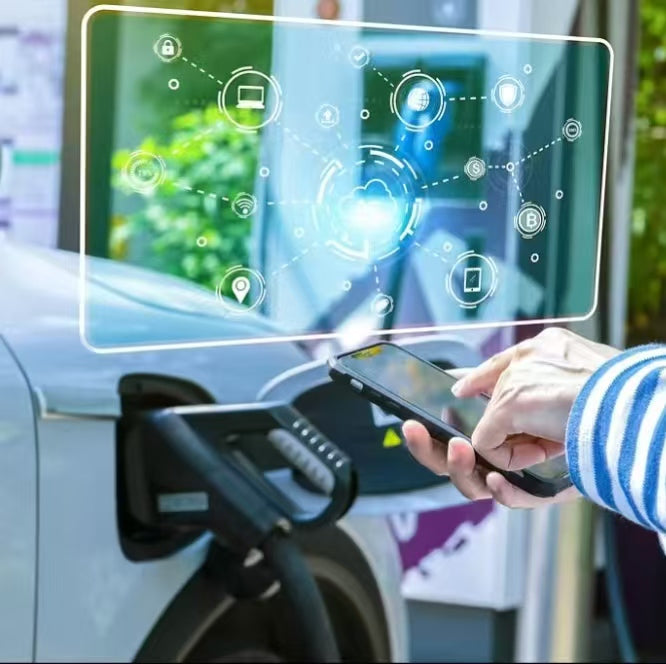
As EV adoption continues to grow, public charging stations have become easier to find than ever before. From “charging stations near me” searches to superchargers, public EV charging often feels like the simplest solution when first switching to an EV.
But over time, many EV owners start noticing that relying heavily on public charging stations comes with hidden costs beyond the charging price itself. For many drivers, this is why smart home EV charging eventually becomes the preferred long-term solution.
Common Public EV Charging Pricing Models
Unlike home EV charging, where you simply pay your residential electricity rate, public charging stations often use different pricing models depending on the network and charger type.
Energy-Based Pricing
Drivers pay based on the number of kWh consumed during charging. While this model is the closest to home charging, public charging stations usually charge significantly more per kWh than residential electricity rates.
Time-Based Pricing
Some charging stations bill based on how long the vehicle remains plugged in. If charging speeds slow down due to battery temperature, high battery percentage, or charger limitations, drivers may end up paying more than expected.
Session-Based Pricing
Certain public charging stations charge a flat session fee regardless of how much energy is delivered. For smaller top-ups or short charging sessions, this can make charging costs surprisingly inefficient.

The Hidden Financial Costs of Public EV Charging
Public Charging Often Costs More Per kWh
While average home electricity rates typically range between $0.12–$0.20 per kWh, public charging stations often charge between $0.30–$0.60 per kWh. Sometimes it is even higher for DC fast charging.
While occasional charging costs may not seem dramatic, daily public charging can become expensive over time.
DC Fast Charging Pricing Adds Up Quickly
Fast charging stations and superchargers usually charge premium rates for convenience and speed. Drivers who rely heavily on public charging may spend significantly more over a year compared to overnight home charging.
Frequent Public Charging Increases Monthly Driving Costs
Drivers who rely heavily on public charging often spend considerably more each month compared to drivers using Level 2 home EV charging.
Small pricing differences per charging session gradually compound into much larger long-term ownership costs.
Peak-Hour Pricing Can Increase Charging Costs Further
Some public charging networks increase pricing during high-demand periods. Busy charging times may lead to both higher costs and longer wait times.
Unlike smart home EV charging, public charging offers far less flexibility to schedule charging during cheaper off-peak hours.

The Hidden Time Costs of Public Charging
Waiting for Available Charging Stations
One of the biggest frustrations with public EV charging is unpredictability.
Drivers may encounter:
- Occupied public charging stations
- Long queues during peak travel hours
- Limited charger availability in certain areas
Searching for “EV charging stations near me” can gradually become part of the daily driving routine.
Charging Often Takes Longer Than Expected
Real-world charging speeds often vary depending on charger conditions, battery temperature, and station demand.
In many cases, charging slows significantly as the battery approaches higher states of charge, making charging sessions longer than expected.
Driving Out of the Way to Charge
Unlike smart home EV charging, public charging usually requires dedicated trips and additional planning.
Many EV owners realize they spend more time than expected:
- Driving to available charging stations
- Waiting for chargers to open
- Adjusting routes around charging availability
Over time, charging can begin feeling less convenient than simply charging overnight at home.
Why More EV Owners Eventually Switch to Smart Home Charging
Smart Home Charging Helps Save Time Cost
One of the biggest advantages of home EV charging is convenience. Instead of planning trips around charging stations, EV drivers can simply plug in at home and charge overnight.
Home charging helps eliminate many of the time-related frustrations associated with public charging.
No Waiting for Available Public Chargers
With a dedicated home EV charger, drivers no longer need to deal with occupied charging stations, waiting lines, or unreliable charger availability.
Overnight Charging Fits Into Daily Life
Level 2 home EV charging allows many drivers to fully recharge while sleeping, making daily commuting easier and more predictable.
Smart App Control Simplifies Charging Management
Modern smart EV chargers allow drivers to remotely monitor charging sessions, schedule charging times, and manage charging directly from a mobile app.
Smart scheduling allows charging during overnight off-peak hours, helping reduce electricity costs while maintaining a more consistent charging routine.

Smart Charging Helps Lower Long-Term Financial Costs
For most EV owners, home charging eventually becomes the more economical long-term charging solution.
Home Electricity Is Usually Cheaper Than Public Charging
On average, home charging costs between $0.12 and $0.20 per kWh. This means home EV charging often delivers significantly lower cost per mile compared to frequent public fast charging.
Over a year, home charging can result in hundreds or even thousands of dollars in savings.
Off-Peak Charging Reduces Electricity Bills
Many utilities provide time-of-use pricing, where electricity costs less during off-peak hours, typically overnight from 11 PM to 7 AM. Off-peak rates can run 30–50% lower than standard daytime pricing, reducing charging costs further through scheduled charging.
Long-Term Savings Matter More Than Upfront Cost
While installing a smart home EV charger requires upfront investment (most commonly $500–$2,500), many EV owners eventually save significantly through lower monthly charging costs and reduced dependence on public charging stations.

So, Should You Rely on Public Charging or Home Charging?
Public Charging Still Has an Important Role
Public EV charging stations still remain essential for long-distance travel, road trips, and occasional emergency charging. They provide flexibility when home charging is not available and help support broader EV adoption.
For many drivers, public charging works best as a supplemental charging solution rather than a primary daily charging routine.
Combination: The Better Long-Term Solution
In real-world EV ownership, many drivers eventually combine smart home EV charging with occasional public charging. Overnight Level 2 home charging handles most daily driving needs, while public charging fills the gap during travel or higher-mileage days.
This combination often provides:
- Lower long-term charging costs
- More predictable daily charging
- A more convenient overall EV ownership experience
Power Up Your EV with RippleOn
RippleOn smart home EV chargers are designed to make daily EV charging simpler, smarter, and more reliable. With intelligent app control, smart scheduling, and stable overnight Level 2 charging, RippleOn helps modern EV owners reduce charging stress and take better control of your everyday charging routine.
Power up your EV with RippleOn and simplify your everyday charging experience from home.


Leave a comment
This site is protected by hCaptcha and the hCaptcha Privacy Policy and Terms of Service apply.