


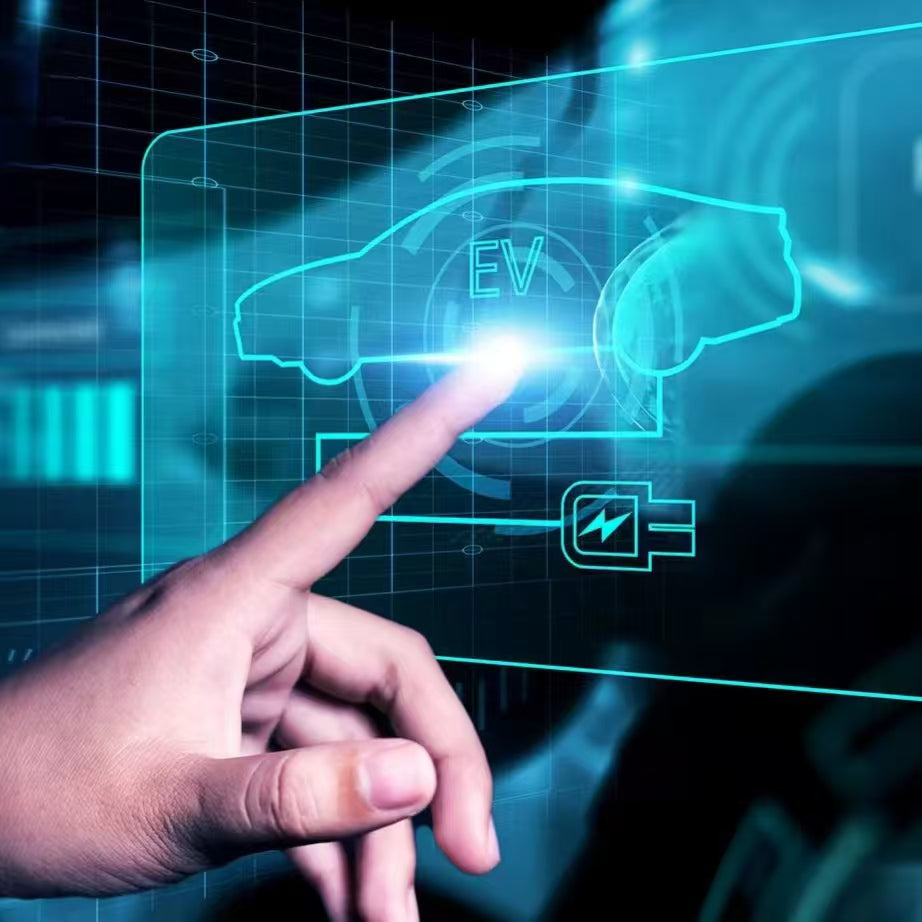
As more drivers switch to electric vehicles, battery health has become one of the biggest long-term concerns in EV ownership. While public charging stations and superchargers make EV driving more convenient, daily charging habits can significantly affect battery performance over time.
For many EV owners, the goal is no longer just "finding the nearest charging station near me" or the fastest charging speed. It’s about building healthier charging habits that help maintain battery range, efficiency, and long-term vehicle value.
Smart home EV charging plays a major role in that process.
Why EV Battery Health Matters More Than Most Drivers Expect
For many EV owners, battery health becomes important gradually rather than immediately.
At first, most EV drivers focus on charging speed, range, or finding convenient charging stations near them.
But over time, battery condition starts to affect daily driving experience, long-term performance, and even resale value more than expected.

Battery Health Directly Affects Driving Range
As EV batteries gradually degrade, total driving range decreases.
Even moderate battery degradation can reduce how far your vehicle travels on a full charge, especially after years of daily charging.
Battery Health Directly Affects Long-Term Value
Battery health is one of the biggest factors affecting EV resale value. Buyers increasingly pay attention to battery performance, charging history, and estimated remaining battery capacity when purchasing used EVs.
A vehicle with healthier long-term battery performance often provides:
- Better resale value
- More consistent driving range
- Greater long-term reliability
- Lower long-term ownership concerns
Daily Charging Habits Influence Long-Term EV Performance
In many cases, long-term battery wear is influenced more by daily charging behavior than by the vehicle itself. Small charging decisions repeated over time can significantly affect battery stability and degradation.
What Charging Habits Damage EV Battery Health?
EV batteries are designed to last for years, but daily charging behavior still plays a major role in long-term battery performance. Certain charging habits can increase heat, battery stress, and long-term degradation, especially when repeated consistently over time.
Frequent Fast Charging Increases Battery Stress
Repeated high-speed charging pushes large amounts of power into the battery in a short period of time. This generates additional heat and increases additional stress on lithium-ion batteries.
Excessive Heat Accelerates Battery Degradation
Lithium-ion batteries perform best within a moderate temperature range, and excessive heat can gradually accelerate battery degradation over time.
Several situations can increase battery temperature:
- Frequent fast charging sessions
- Charging in direct sunlight or high outdoor temperatures
- Consecutive charging sessions without cooling time
This is one reason many EV owners prefer overnight home charging, when temperatures are typically lower and charging conditions are more stable.
Frequent Charging to 100%
Keeping an EV battery at or near 100% charge for extended periods can increase long-term battery wear.
At very high states of charge, the battery remains under additional voltage stress, which may gradually affect long-term capacity.
Frequent Deep Battery Discharging
Regularly allowing the battery to drop to extremely low charge levels can also increase battery stress over time.
Deep discharging forces the battery to operate closer to its lower voltage limits, which may affect long-term stability.
Why Frequent Public Charging Can Increase Battery Wear
Public EV charging stations are convenient early in EV ownership, especially during road trips or long-distance driving. Searching for “EV charging stations near me” or “supercharger near me” quickly becomes part of the routine for many drivers.
However, relying heavily on public charging can create less consistent charging habits over time.
Repeated High-Speed Charging Accelerates Battery Wear
DC fast charging and superchargers deliver very high power levels to charge an EV battery quickly.
While convenient, repeated fast charging sessions generate significantly more heat compared to regular Level 2 home EV charging. Excessive battery heat can increase internal battery stress and contribute to faster battery degradation.
Repeated exposure to high charging speeds may gradually accelerate battery wear, reduce charging efficiency, and affect overall battery lifespan, especially when fast charging becomes part of daily charging habits.
Irregular Public Charging Habits Reduce Charging Consistency
Public charging often leads to less predictable charging routines. Many EV owners end up charging whenever a charging station becomes available rather than following a stable daily charging schedule.
This inconsistency can result in more frequent charging to 100%, deeper battery discharges, and heavier dependence on fast charging stations — all of which may increase long-term battery stress.
How Smart Home EV Charging Supports Better Battery Health
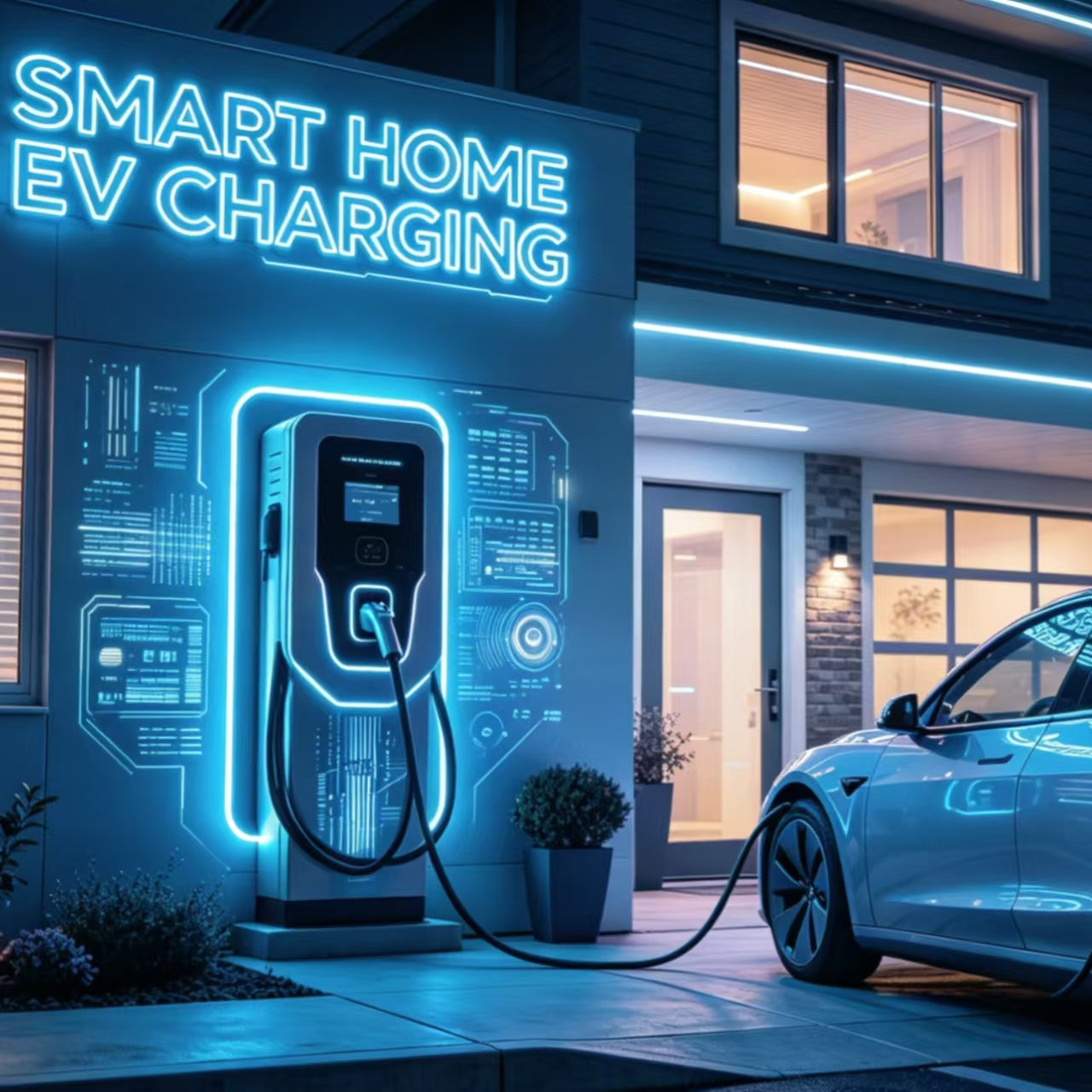
A smart home EV charger helps create more controlled and consistent charging habits, which can support long-term battery performance.
Smart Scheduling Helps Reduce Battery Stress
Smart scheduling allows EV owners to automate charging during overnight off-peak hours when temperatures are lower and electricity rates are often cheaper.
More importantly, scheduled charging helps reduce unnecessary battery stress by preventing the EV from sitting at 100% charge for long periods of time.
Smart App Control and Adjust Help Maintain Healthier Battery Usage
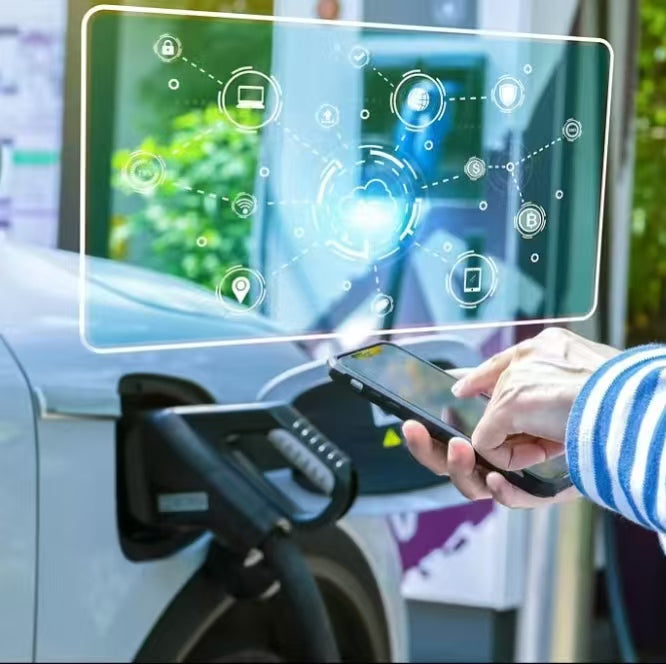
With app-based smart charging control, EV owners can remotely manage charging sessions directly from their phone.
Many smart EV chargers allow EV drivers to:
- Pause or resume charging remotely
- Adjust charging schedules anytime
- Set charging limits more easily
This level of flexibility can help EV drivers avoid unnecessary fast charging and maintain more controlled and healtheir daily charging behavior.

Energy Monitoring Improves Better Charging Awareness
Many smart home EV chargers provide detailed energy monitoring and charging insights.
Tracking charging behavior can help drivers identify:
- Typical overnight charging patterns
- Overall electricity consumption
- Long-term charging consistency
Better EV charging awareness often leads to healthier long-term EV charging habits.
Thermal and Safety Management Supports Long-Term Battery Stability
Stable Power Delivery During Overnight Charging
Compared to repeated public fast charging, Level 2 smart home charging usually delivers power at a slower and more stable rate.
Consistent power delivery helps reduce unnecessary fluctuations during charging sessions. Stable overnight charging conditions can help support smoother daily charging, which helps reduce battery heat and charging stress.
Intelligent Temperature and Safety Protection Systems
Many smart EV chargers include built-in thermal monitoring and safety protection systems that automatically adjust charging when necessary. These features help reduce overheating risks and maintain safer long-term charging conditions for both the charger and the EV battery.

How to Build Better EV Charging Habits for Battery Longevity
Protecting EV battery health usually does not require major lifestyle changes.
In most cases, small improvements in daily charging habits can make a meaningful difference over the long term. Smart home EV charging helps make these habits easier, more consistent, and more convenient for everyday driving.
Prioritize Overnight Home Charging for Daily Use
For most drivers, Level 2 home EV charging provides the best balance between convenience, charging speed, and battery-friendly daily charging.
Overnight home charging also allows the battery to charge more gradually and consistently compared to repeated public fast charging.
If possible, try to make overnight home charging your primary charging routine for regular commuting and everyday driving.
Reduce Unnecessary Dependence on Public Charging Stations
Relying heavily on public fast charging every day may increase long-term battery stress due to higher charging speeds and additional heat generation.
For many EV owners, the healthiest long-term approach is combining daily home charging with occasional public charging when needed.
This creates a healthier balance between convenience and long-term battery care.
Choose a Smart EV Charger Designed for Long-Term Daily Use
When choosing a home EV charger, look for features that support:
- Stable overnight charging
- Smart charging schedules
- Easier charging management
- Reliable long-term charging performance

Wrapping Up
While public EV charging stations offer convenience, smart home EV charging gives drivers more control over how their vehicle charges every day. Consistent overnight charging, reduced reliance on fast charging, and better charging awareness can all help support long-term battery performance.
For many EV owners, smart home charging is no longer just about convenience — it’s becoming an important part of protecting long-term battery health and overall EV value.
Protect Your EV Battery Smarter with RippleOn
RippleOn's smart home EV chargers are designed to support consistent overnight home charging, intelligent charging control, and healthier long-term charging habits.
With smart scheduling, app-based charging management, and reliable Level 2 home charging, RippleOn is comitted to making daily EV charging more convenient and battery-friendly.
Explore RippleOn’s range of smart home EV chargers and build a smarter long-term charging routine for your EV.

Leave a comment
This site is protected by hCaptcha and the hCaptcha Privacy Policy and Terms of Service apply.