


Installing a smart EV charger at home is one of the most valuable upgrades for EV owners. A properly installed Level 2 EV charger can provide faster charging, greater convenience, and more control over your daily charging routine.
However, electricians often see homeowners focus on charger features while overlooking the electrical and installation factors that have the biggest impact on long-term performance. Before scheduling a smart home EV charger installation, it helps to understand what professionals evaluate first.
Why Smart EV Charger Installation Requires More Planning Than Many Expect
Installing a smart home EV charger involves much more than mounting equipment on a wall. Because EV charging is considered a continuous electrical load, the charger may draw power for six to eight hours or longer during overnight charging.
Risks of Improper Smart EV Charger Installation
An improperly installed charger can lead to:
- Frequent breaker trips
- Charging interruptions
- Excessive heat buildup
- Reduced charging performance
In severe cases, incorrect wiring or circuit sizing may create long-term electrical safety concerns.
Installation Decisions Can Affect Long-Term Performance
Decisions such as charger location, wiring design, breaker sizing, and installation method can affect charging reliability for years. Proper planning often helps homeowners avoid future upgrades and unnecessary installation costs.

Why Electrical Capacity Matters Before Installation
Before installing a home EV charger, electricians typically evaluate whether the home's electrical system can safely support the additional load.
Panel Capacity Determines What Your Home Can Support
Most Level 2 chargers require a dedicated 240V circuit. Many newer homes with 200-amp service have enough available capacity, while older homes with 60-amp or 100-amp panels may require further evaluation.
Electricians often perform a load calculation to determine how much capacity is already being used by HVAC systems, electric water heaters, dryers, ovens, and other major appliances. This helps identify whether the existing panel can support a new EV charger safely or if additional solutions are needed.
Circuit Sizing Affects Charging Performance and Safety
Circuit sizing is one of the most important parts of EV charger installation. According to the NEC 80% continuous load rule, a charger delivering 40 amps typically requires a 50-amp circuit.
The breaker, wiring, and charger output must all be properly matched to support safe and efficient charging. Undersized wiring or incorrectly rated circuits can lead to overheating and reduced charging efficiency, particularly during long overnight charging sessions.
Load Management Can Prevent Costly Electrical Upgrades
If a panel is nearing capacity, load management technology may allow EV charging without a full electrical panel upgrade.
By balancing household electrical demand automatically, load management provides a practical way to add a smart EV charger while avoiding the expense of replacing the electrical panel.
Why Installation Quality Matters Before Installation
Proper Wiring Supports Reliable Daily Charging
Most residential Level 2 smart chargers operate at 30–60 amps. Electricians select wire gauge based on charger output and wire length to minimize voltage drop and heat generation.
Typical residential installations use copper wiring in the following sizes:
- 30-amp circuit: 10-gauge copper
- 40-amp circuit: 8-gauge copper
- 50-amp circuit: 6-gauge copper
- 60-amp circuit: 4-gauge copper
Proper wiring helps ensure stable overnight charging and long-term reliability, which is why charger placement and wiring design are often considered together during installation planning.
Correct Breaker Selection Helps Protect the System
The breaker serves as the primary protection device for the charging circuit. An improperly sized breaker can result in nuisance trips or inadequate system protection.
Many residential installations use 40-amp or 50-amp breakers, though the correct rating ultimately depends on the charger’s power output. Choosing the correct breaker helps protect the charger, wiring, and electrical panel from excessive current and overheating.
Professional Installation Reduces Future Troubleshooting
Many home EV charging problems reported by homeowners originate from installation shortcuts rather than charger defects. Professional installation helps minimize future maintenance issues and improves overall system performance.
Why Choosing the Right Installation Method Matters
One of the most common questions during a home EV charger installation is whether to choose a plug-in or hardwired setup.
While both methods can provide reliable charging, each offers different advantages depending on home's electrical setup and homeowner's long-term plans.
Plug-In Installation Offers More Flexibility
A plug-in charger typically connects through a NEMA 14-50 outlet. This option makes it easier to relocate or replace the charger in the future and can reduce installation complexity if an outlet already exists.
For homeowners who may move or upgrade chargers later, a plug-in installation can be an attractive solution.
Hardwired Installation Provides More Permanence
Hardwired EV chargers connect directly to the electrical system without an outlet. Many hardwired installations can also support up to 48 amps of charging power, making them a popular choice for homeowners seeking faster charging speeds.
Because there are fewer connection points, some electricians also prefer hardwired setups for long-term durability and reliability. 
Why Installation Costs Vary More Than Most Homeowners Expect
Many homeowners searching for "EV charger installation near me" are surprised by how much installation costs can vary. While the charger itself is often a fixed expense, the electrical work required to support it can differ significantly from one home to another.
Existing Electrical Infrastructure Makes a Big Difference
Homes with available panel capacity and a nearby installation location often require less labor and fewer materials.
In contrast, older homes may need additional electrical work before installing a smart home charger. Limited breaker space, outdated wiring, or insufficient service capacity can all increase project complexity and cost.
Panel Upgrades Can Increase Installation Costs
If the electrical panel lacks sufficient capacity, a panel upgrade may become necessary, which is often one of the largest cost variables in a home EV charger installation project.
While many newer homes already have 200-amp service, some older properties with 60- or 100-amp panels may require a service upgrade before supporting a dedicated EV charging circuit.
Installation Method Can Affect Upfront Costs
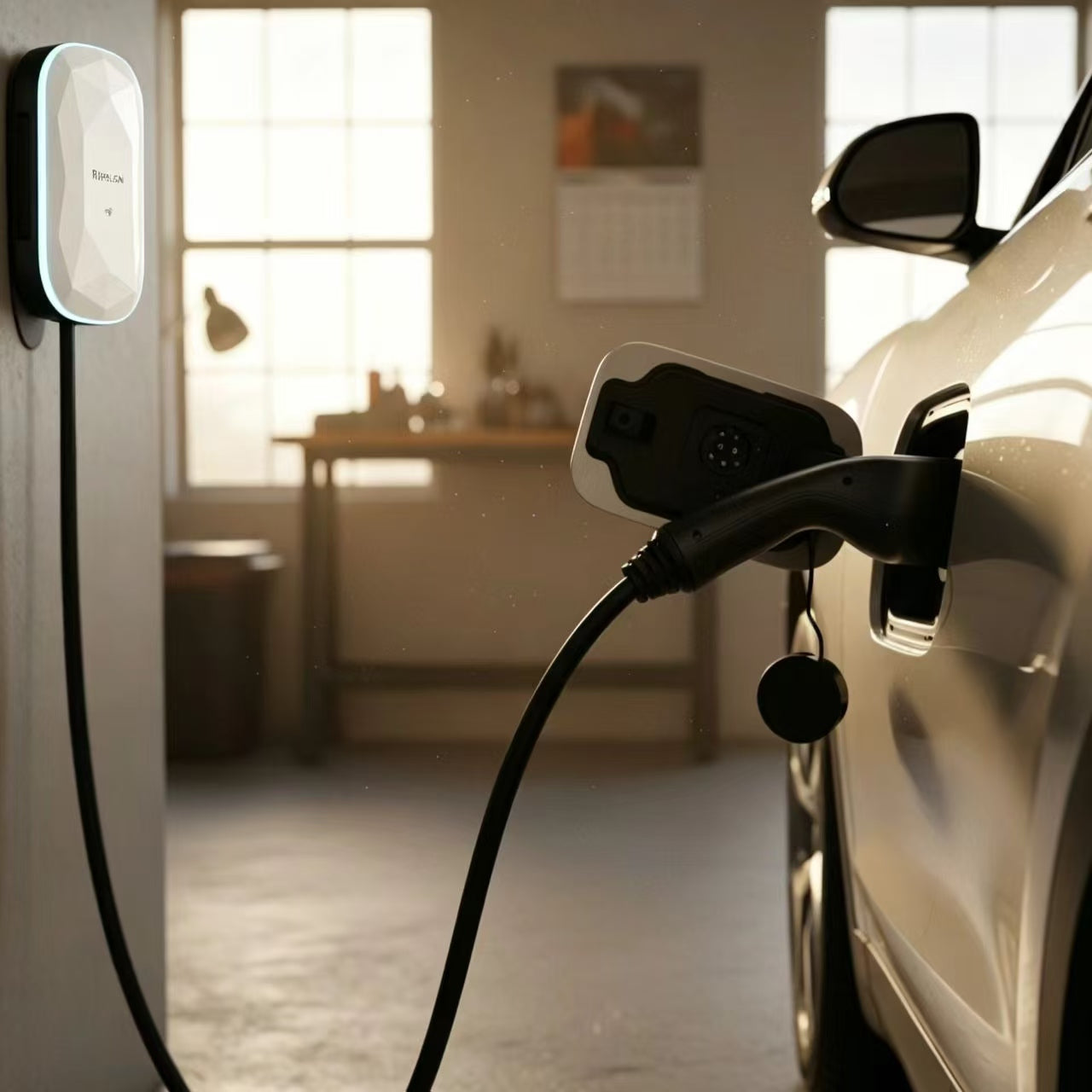
Plug-in and hardwired installations may require different components and labor. Existing NEMA 14-50 outlets can sometimes reduce installation expenses. The RippleOn Level 2 Charger supports both options, so you can configure it for your home.
Distance From the Panel to the Charger Location
Wire runs significantly affect installation costs. Electricians commonly charge approximately $10–$20 per linear foot for wiring, making charger placement an important consideration during installation planning.
Mistakes That Many Homeowners Often Make
Maximum Charging Speed Is Always the Priority
Many EV owners assume the highest charging speed is always the best option.
In reality, most daily drivers can fully recover their daily mileage overnight using a properly sized Level 2 EV charger. Reliability and convenience often provide more value than maximizing amperage.
Buying an Uncertified or Poorly Rated EV Charger
Not all smart EV chargers are built to the same standards. Electricians generally recommend choosing chargers that carry recognized certifications such as UL or ETL listings.
Certified chargers have undergone independent safety testing and are better suited for long-term daily use.
What Electricians Recommend for a Successful Smart EV Charger Installation
Design the Installation for Reliability
Electricians often recommend focusing on a dependable installation rather than simply maximizing charging output. Proper circuit sizing, quality electrical components, and a well-planned charger location typically have a greater impact on long-term satisfaction than a few extra amps of charging speed.
Choose an Installation-Friendly Smart EV Charger
Not all chargers offer the same installation flexibility. A smart EV charger that supports both plug-in and hardwired installation, adjustable amperage settings, and load management features can simplify the installation process.
Choose RippleOn to Make Your Installation Reliable
A successful EV charger installation starts with selecting equipment that works well with your home's electrical setup.
Whether you're planning your first home EV charger installation or upgrading an existing setup, with support for both plug-in and hardwired installation, smart app control, energy monitoring, and scheduled charging, RippleOn Level 2 chargers help homeowners create a charging setup that delivers dependable performance for years to come.


Leave a comment
This site is protected by hCaptcha and the hCaptcha Privacy Policy and Terms of Service apply.