


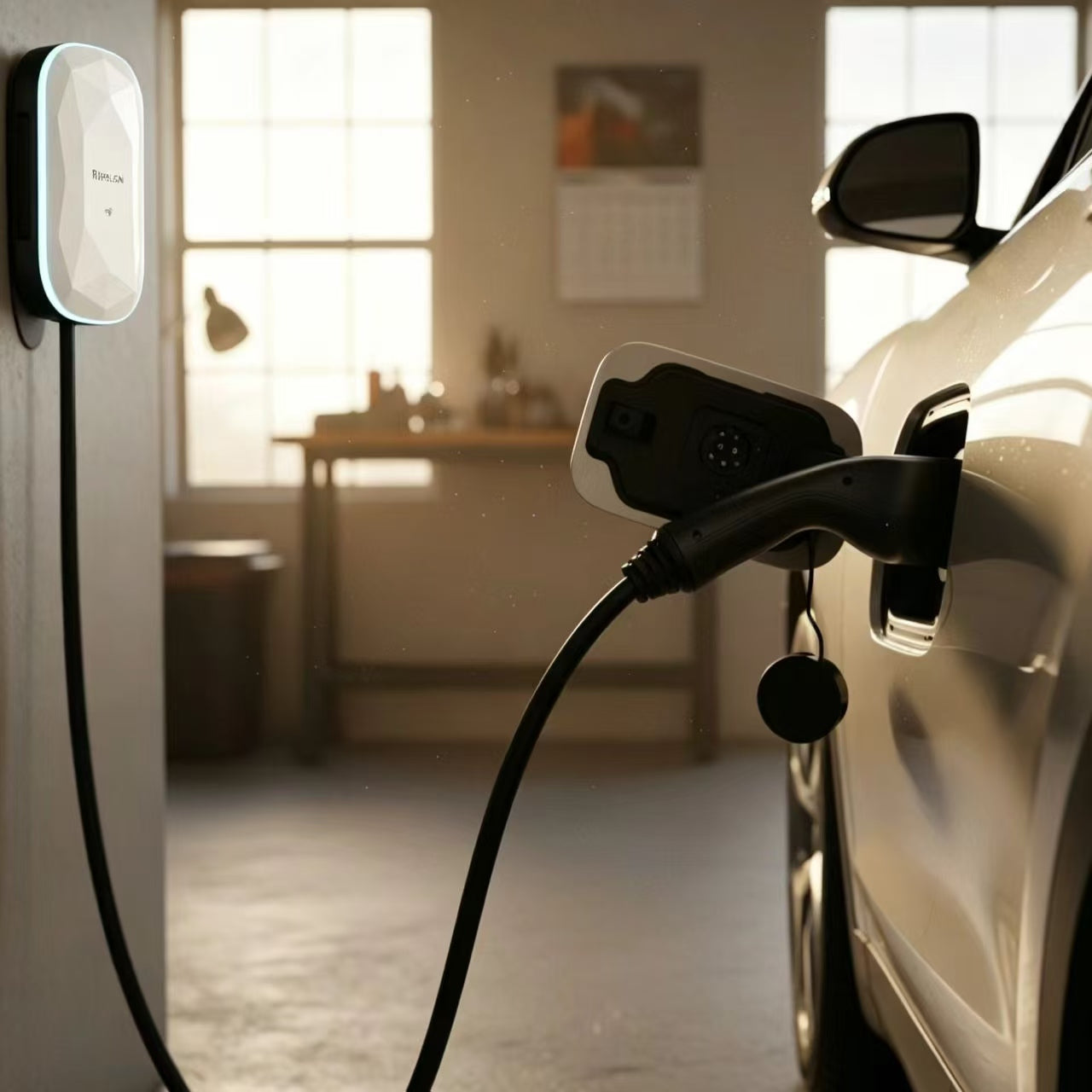
As more automakers and charging networks adopt the North American Charging Standard (NACS), many EV owners are wondering how the transition will affect their existing charging setup. If your vehicle uses a J1772 charging port, you may be wondering whether a NACS to J1772 adapter is worth having.
In this blog, we'll explain how the two charging standards work together, what a NACS to J1772 adapter can and cannot do, and whether it makes sense as part of your long-term EV charging strategy.
Understanding the Relationship Between NACS and J1772
J1772 Powers Most Existing Non-Tesla EVs
J1772, also known as the SAE J1772 connector, has long been the standard plug used for AC charging by most non-Tesla electric vehicles in North America. It is primarily designed for Level 1 and Level 2 charging at 120–240 volts.
Most non-Tesla electric vehicles, including the Ford Mustang Mach-E, Hyundai Ioniq 5, Kia EV6, Chevrolet Equinox EV, and Volkswagen ID.4, use a J1772 port for AC charging.
As a result, thousands of Level 2 charging stations installed in homes, workplaces, hotels, and public locations continue to rely on the J1772 standard.
NACS Is Becoming the New Industry Standard
NACS, short for North American Charging Standard, was originally developed by Tesla and has since been standardized as SAE J3400. Unlike J1772, NACS uses a more compact connector design and supports both AC charging and DC fast charging through a single port.
While J1772 remains widely used, NACS adoption has accelerated rapidly. Major automakers including Ford, GM, Rivian, Mercedes-Benz, and others have announced plans to transition future EV models to NACS.
The shift is being driven largely by Tesla's extensive charging ecosystem and the growing availability of NACS-compatible charging infrastructure.
Adapters Help Bridge Both Charging Standards
Because both standards will coexist for many years, adapters have become an important solution for maintaining charging flexibility.
A NACS to J1772 adapter allows a vehicle equipped with a J1772 port to use compatible NACS-based AC charging equipment without requiring modifications to the vehicle or charger.

What a NACS to J1772 Adapter Actually Does
How It Enables Level 2 AC Charging Compatibility
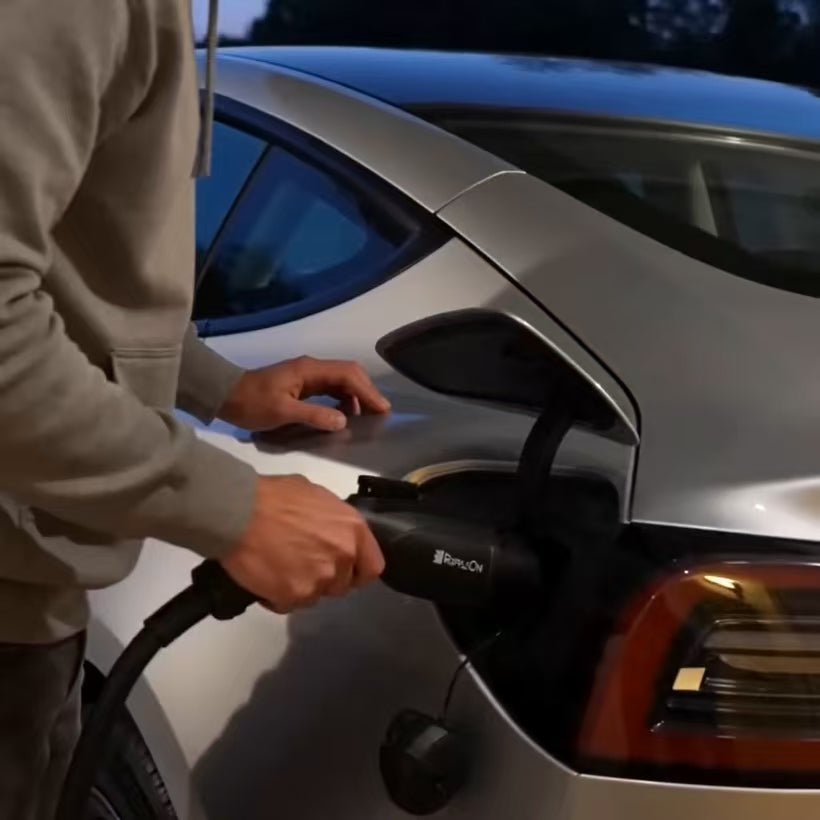
A NACS to J1772 adapter acts as a physical and communication bridge between the two connector standards. When connected to a compatible NACS charger, the adapter allows a J1772-equipped EV to receive AC power just as it would from a traditional J1772 Level 2 EV charging station.
- On the charger side, the NACS to J1772 adapter presents a NACS plug which mates with a Tesla-style connector.
- On the car side, the adapter presents a J1772 inlet, so you plug into it just like you would any public Level 2 station.
- Inside the adapter, the AC pins are routed and signaled to look like a standard J1772 Level 2 source.
How It Supports Level 2 Home and Destination Charging
In practice, a NACS to J1772 adapter is most useful for accessing:
- Tesla Destination Chargers
- Tesla Wall Connectors
- NACS-equipped workplace chargers
- Hotel and resort charging stations
- Shared home charging setups
For EV owners who frequently encounter Tesla-style Level 2 charging stations, an adapter can significantly expand available charging options.

What a NACS to J1772 Adapter Cannot Do
Think of a NACS to J1772 adapter as a mechanical and signaling translator. It helps your vehicle communicate with compatible AC charging equipment, but it does not change the fundamental charging capabilities of either the charger or the vehicle.
A NACS to J1772 adapter cannot:
- Provide access to Tesla Superchargers or other DC fast charging stations
- Convert NACS DC power into a format that a J1772-equipped vehicle can safely use
- Increase charging speed beyond your vehicle's onboard charger rating
- Override the amperage limits of the charger, adapter, or electrical circuit
Do You Actually Need a NACS to J1772 Adapter?
When an Adapter Is the Most Practical Solution
A NACS to J1772 adapter may be worth carrying if:
- You frequently travel and charge away from home
- You regularly use Tesla Destination Chargers
- Your workplace provides NACS charging equipment
- You want additional charging flexibility without installing new hardware
For many drivers, the adapter serves as a portable backup tool that fits easily in the trunk or glove compartment and provides peace of mind during road trips.
When a Dedicated J1772 Charger Makes More Sense
Home charging offers:
- Reliable overnight chargingConsistent charging speeds
- Lower EV charging costs compared to many public networks
- Greater convenience for daily driving
While a home charger requires a larger upfront investment—typically $300 to $600 or more for equipment, plus installation—it becomes the backbone of your daily charging routine.
If most charging happens at home, a dedicated Level 2 EV charger often provides a better long-term experience. For everyday charging, convenience often matters more than maximizing compatibility.
Mixed-Household EVs Often Benefit From Greater Flexibility
Households with both Tesla and non-Tesla EVs frequently benefit from adapter-based charging solutions. For families planning to own vehicles with different charging standards over the next several years, an adapter can provide valuable flexibility during the industry's transition to NACS.

Is a NACS to J1772 Adapter a Future-Proof Investment?
NACS Adoption Is Growing Rapidly
NACS is expected to become the dominant connector standard for new EVs sold in North America over the next several years. As more Level 2 charging stations and public charging networks adopt NACS, adapter demand is likely to increase in the short term.
J1772 Vehicles Are Not Disappearing Anytime Soon
While NACS is being adopted by most new EVs for both AC and DC, millions of J1772-equipped EVs remain the dominant AC connector today.
Because vehicles often stay in service for 10–15 years or longer, J1772 charging compatibility will remain relevant well into the next decade.
Cross-Compatibility Will Continue to Matter
The EV charging ecosystem will not switch from J1772 to NACS overnight. During this transition period, adapters will continue to play an important role in helping drivers access a wider range of charging stations while avoiding unnecessary equipment upgrades.

How to Choose a Safe and Reliable NACS to J1772 Adapter
Match the Adapter's Power Rating to Your Charger
Before purchasing an adapter, verify both your vehicle's maximum AC charging rate and the charger output. Because J1772 AC Level 2 can run anywhere from 16 amps up to 80 amps at 240 volts, a NACS to J1772 adapter needs to be sized for the highest current it might see.
You need to think about the strongest AC source you’ll actually use, 80A hotel destination charger, 48A home wallbox, or 32A shared circuit. Choosing an adapter with sufficient amperage headroom helps ensure safe and reliable Level 2 charging performance.
Look for Safety Certifications
Look for adapters that carry recognized certifications such as:
- Strong UL/ETL certification
- Built with a robust housing
- Built with a locking mechanism that keeps the connection secure
- Appropriate weather-resistance ratings for outdoor use
Certified products provide greater confidence during long charging sessions and daily use, so you'd better avoid no-name imports with unclear specs or incomplete labeling.

Adapter or Dedicated Charger: Which Is the Better Long-Term Solution?
Adapters Solve Compatibility Challenges
For drivers who regularly encounter different charging standards, adapters provide a simple and cost-effective compatibility solution. For travelers, apartment residents, and drivers who frequently use workplace or destination charging, an adapter provides flexibility at a relatively low cost.
Dedicated Chargers Simplify Everyday Charging
For daily home charging, a dedicated Level 2 EV charger remains the most convenient option. A permanent home charging setup eliminates the need to carry adapters, reduces reliance on public charging stations, and helps establish a more consistent charging routine.
A J1772 Charger Plus Adapter Can Support Both Standards
For many homeowners, a J1772 charger combined with a NACS to J1772 adapter offers a practical balance between flexibility and simplicity.
The RippleOn Level 2 EV Charger is built around this reality. Paired with a J1772-to-NACS adapter, it can serve a mixed-brand household where one charger covers a J1772 vehicle today and a Tesla or NACS-native vehicle later, without requiring a second installation.
Whether you're driving a J1772-equipped EV now or planning for future NACS-compatible vehicles, a versatile charging setup can help protect your investment and reduce the need for future upgrades.

Frequently Asked Questions
Can a NACS to J1772 Adapter Affect Charging Speed?
No. Charging speed is determined by the charger, vehicle, and electrical circuit, not the adapter itself. A properly rated adapter simply passes power and communication signals between the charger and the vehicle.
Is a NACS to J1772 Adapter Safe for Daily Charging?
Yes, provided it is properly rated, certified, and used according to the manufacturer's instructions. Look for adapters with recognized safety certifications such as UL or ETL listings, and avoid products with unclear specifications
Will J1772 Chargers Become Obsolete?
Not anytime soon. Millions of EVs still rely on J1772 for AC charging, and those vehicles are expected to remain in service well into the 2030s. Even as NACS adoption grows, J1772 charging infrastructure will continue to be widely available, especially at homes, workplaces, and public Level 2 charging locations.
Should I Buy a NACS Charger or a J1772 Charger?
The best choice depends on your current vehicle, future vehicle plans, and charging needs. For many homeowners, combining a reliable charger with the appropriate adapter provides the greatest flexibility during the industry's transition period.

Leave a comment
This site is protected by hCaptcha and the hCaptcha Privacy Policy and Terms of Service apply.